Tag: travel

  • Comanche, Part 2

    I’m going to start with photos I took when I was a volunteer on the U.S. Forest Service’s Picketwire Canyon Auto Tour on Comanche National Grassland May 3. One of the highlights of the tours is the dinosaur tracks, the largest trackway in North America, with more than 1,900 separate tracks in 130 separate trackways!
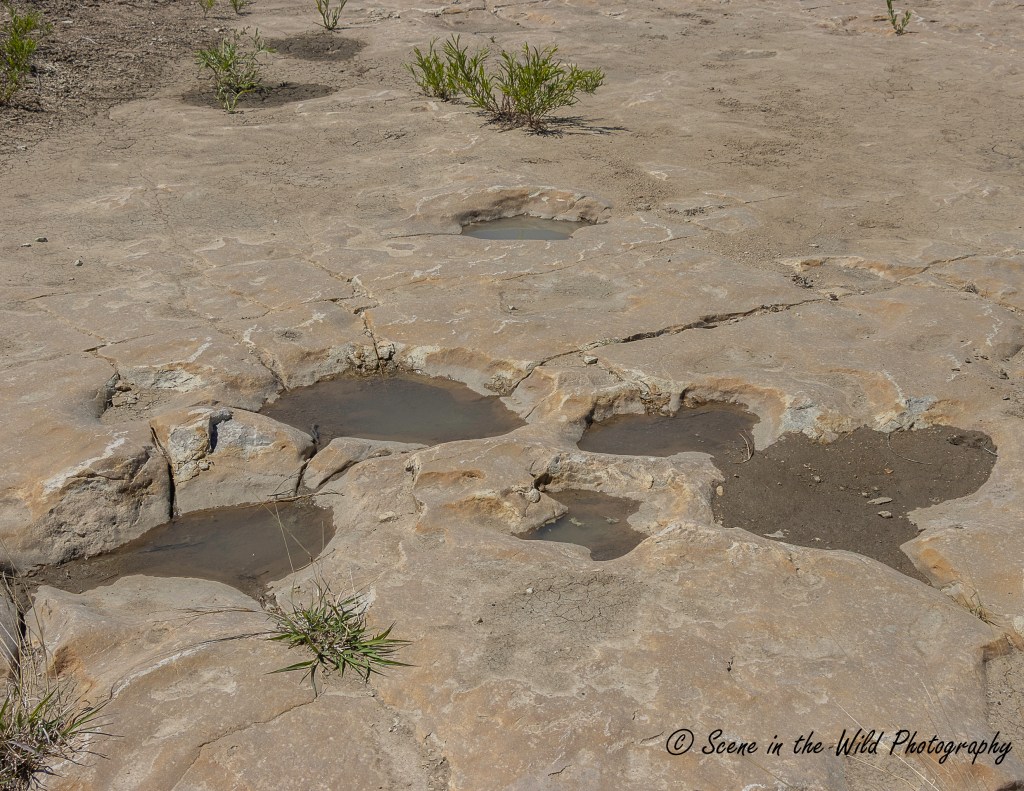
    A few sauropod tracks (the long-necked dinosaurs with legs and feet that resemble those of elephants) from the Jurassic Period. Some of the tracks are smaller and close to the larger tracks–probably young ones.
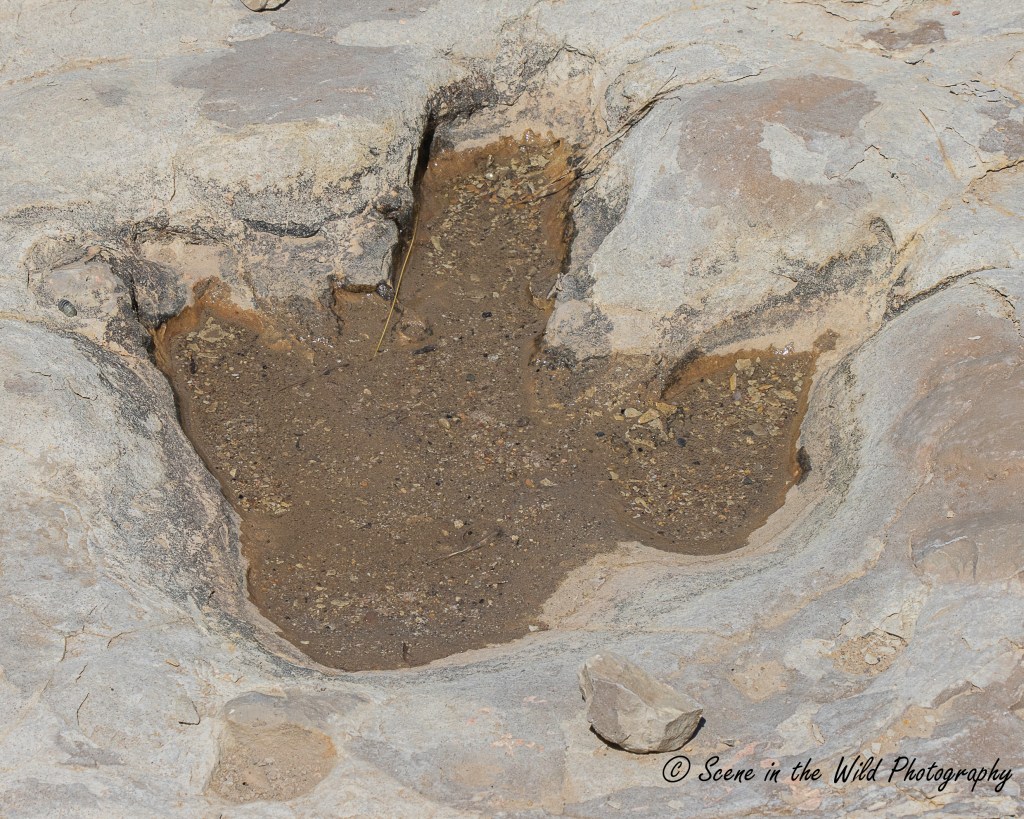
    A theropod track. Nope, not T-Rex. They came later, during the end of the Cretaceous Period. What’s interesting about the theropod tracks is that some are right in the same area as the sauropod tracks. Perhaps they were looking for dinner?

    To continue that theme, here’s a modern-day predator track (a bobcat) found in close proximity to the dinosaur tracks.
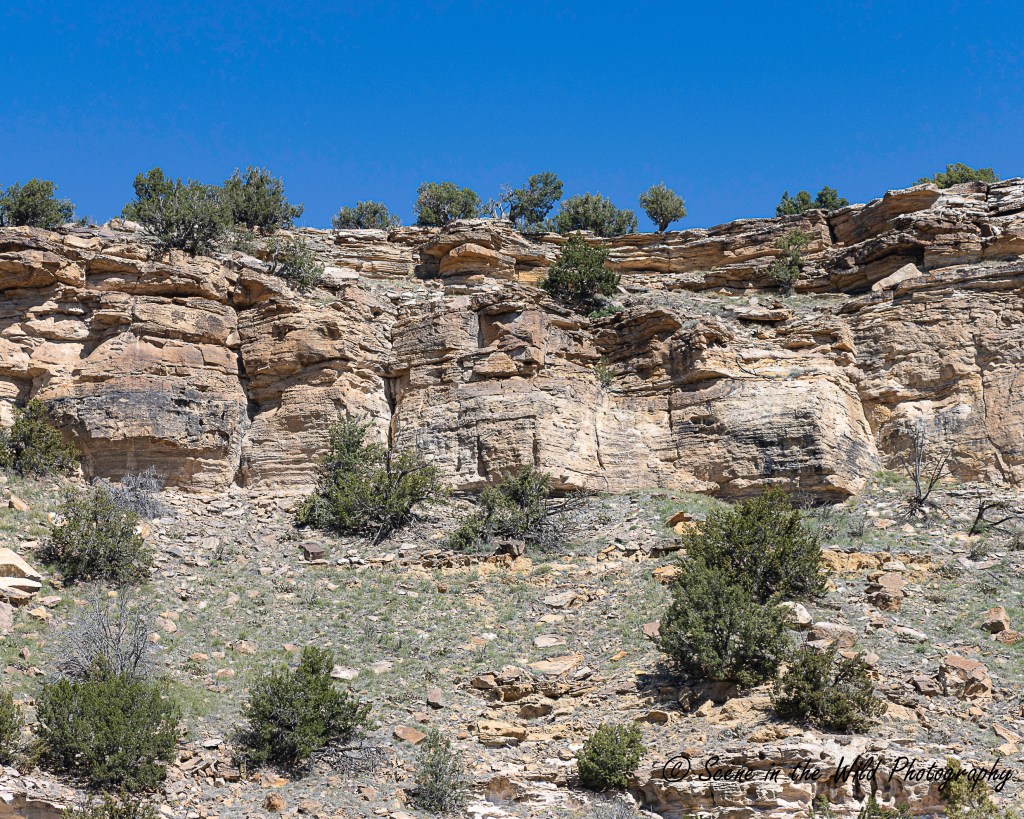
    Above the tracks you can see cliffs of Dakota Sandstone.
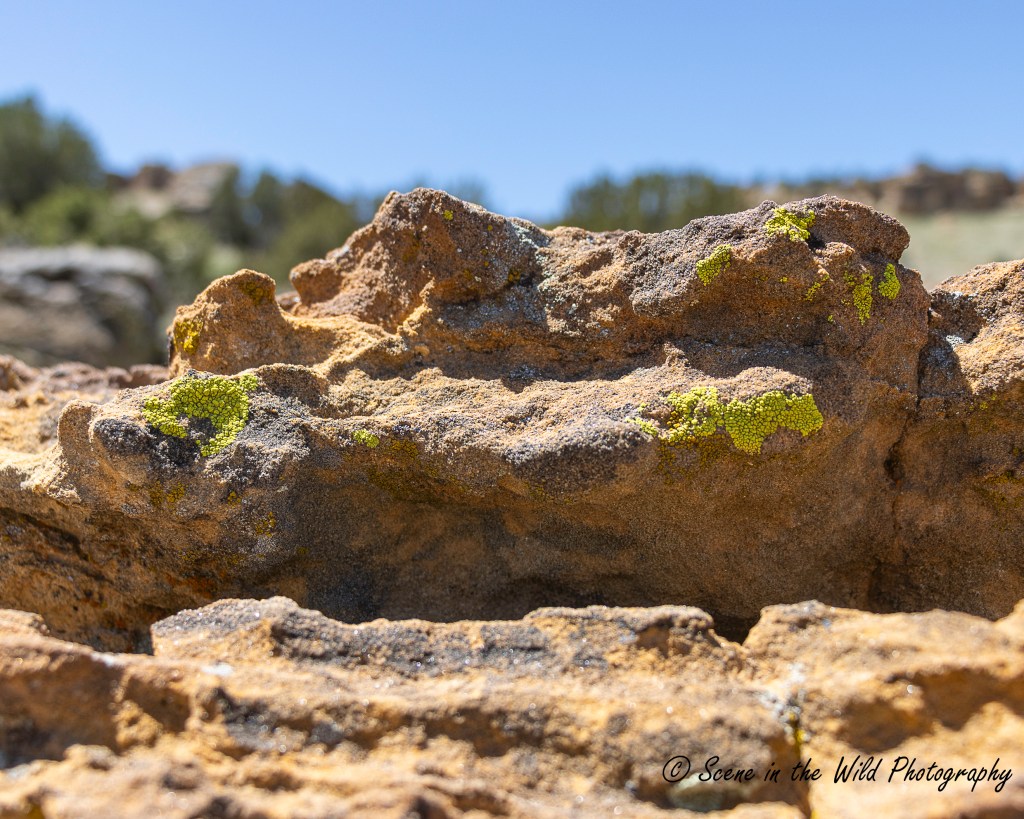
    Lichen on sandstone.
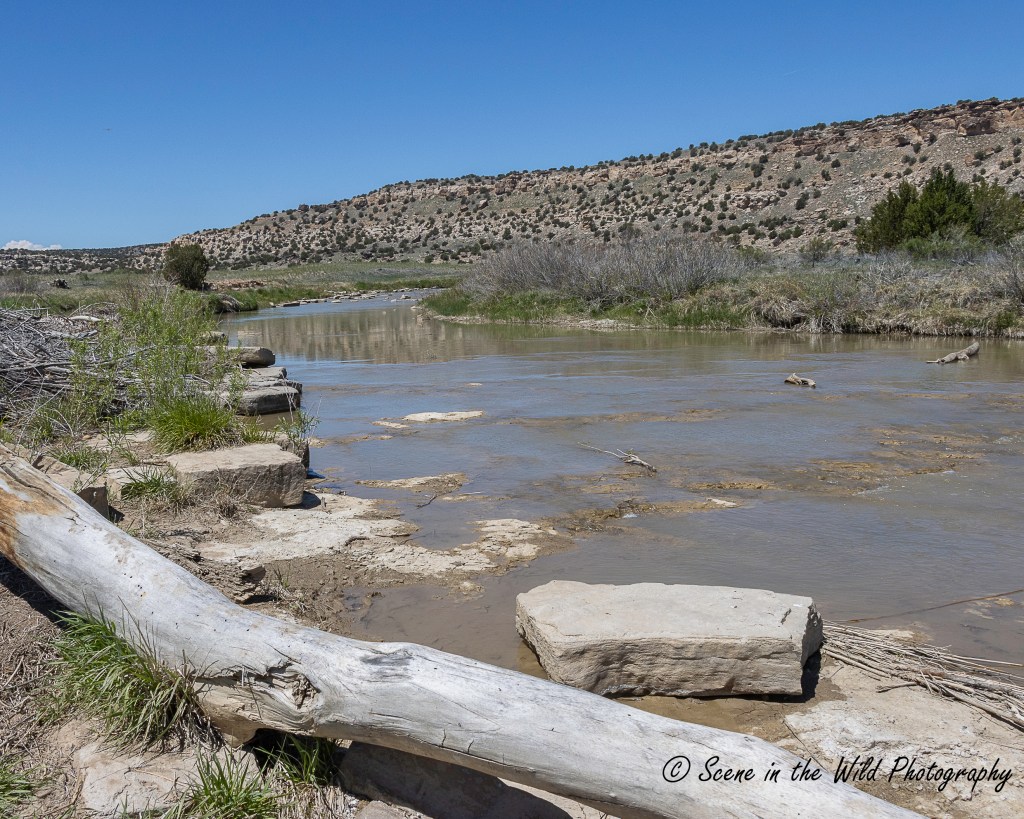
    The Purgatorie River. There are dinosaur tracks on either side, as well as under water. You might ask why the canyon is called “Picketwire” and the river is called “Purgatorie.” Originally, the river was named by Spaniards: “El Rio de las animas perdidas in el purgatorio.” In English: “The River of Lost Souls.” There are several legends regarding the name. One is that early Spanish explorers drowned in the river, but since there were no priests available, they didn’t receive last rites, and they were lost in Purgatory. Later, French trappers came through and called the river “Purgatorie,” which was pronounced “Purga-twa.” Early settlers couldn’t quite say that correctly, so they referred to it as “Picketwire.”
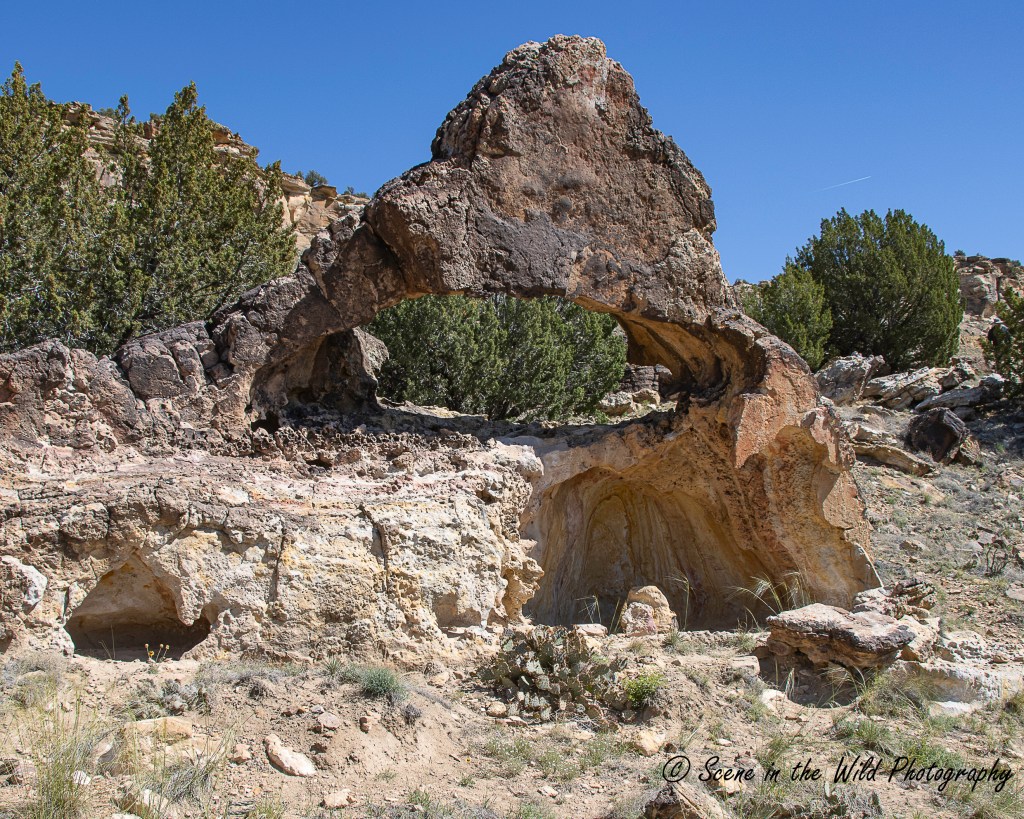
    Window Rock, along the road to the dinosaur tracks., always a favorite photo spot. The tour also features petrogylphs, and old mission and cemetery, and Rourke Ranch. For more information (remember, the La Junta Forest Service office is currently closed): https://www.fs.usda.gov/r02/psicc/recreation/picket-wire-canyonlands
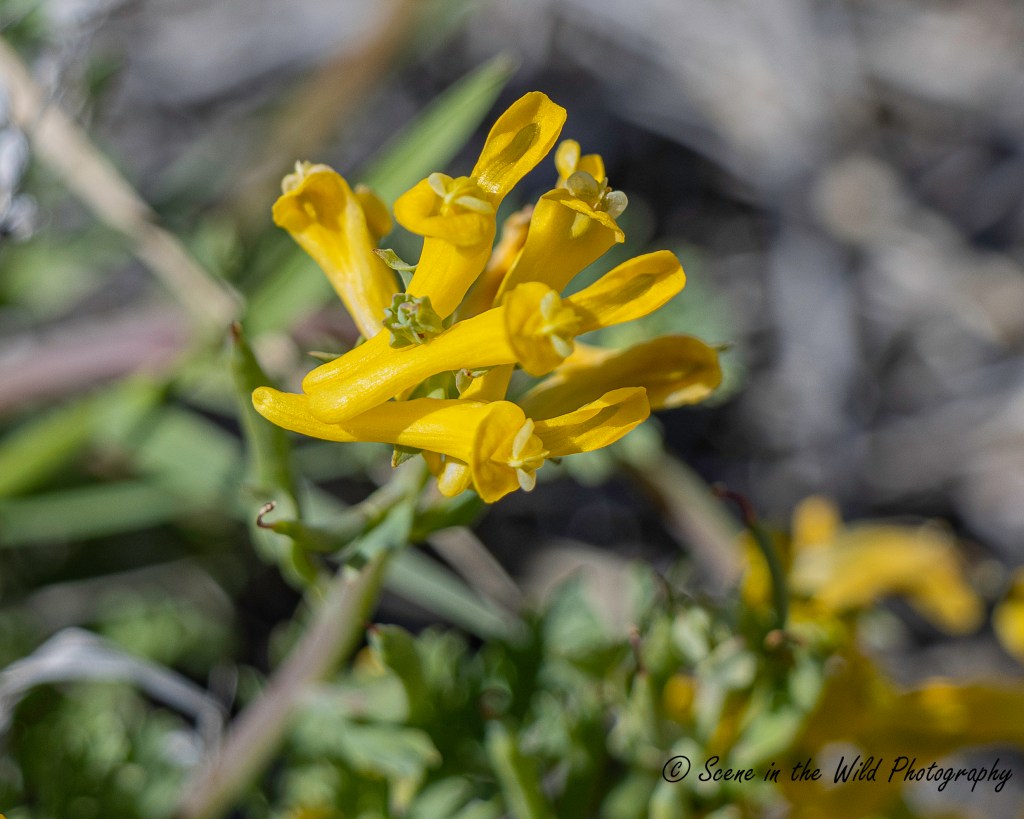
    One of the few flowers blooming down in the canyon on May 3: Golden Corydalis (Coyrydalis aurea), sometimes called “scrambled eggs.”

    In my last post, I featured flowers I found on the Comanche on May 17. I’d gone there for training on how to count and photograph bumble bees through Mountain States Bumble Bee Atlas. Did you know that there are nearly 50 species of bumble bees in North America? Unfortunately, one-fourth are at risk of extinction. I learned how to capture bumble bees, learned how to chill them (just temporarily!) so they can be easily photographed, and found out how to submit the data to Bumble Bee Watch. As we didn’t find any bumble bees, we practiced on other insects, some of which I’ll show below. (After the training, the leader and I did find a bumble bee on one of the Prince’s Plume plants–photo later).
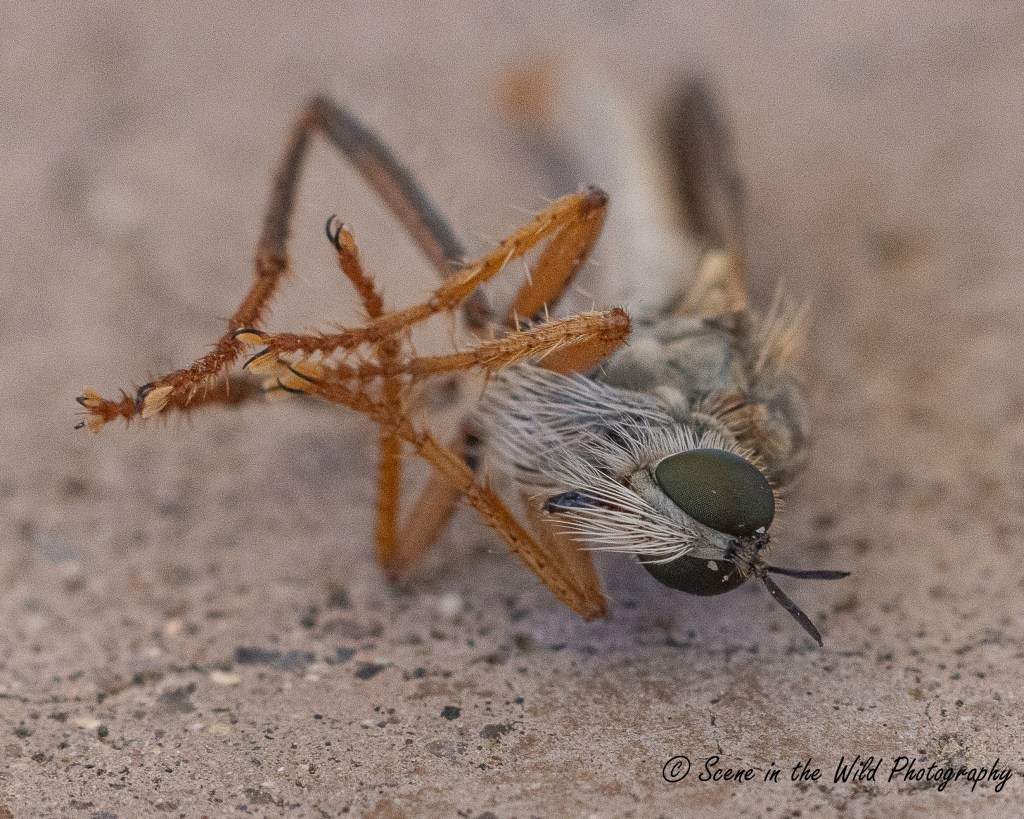
    One of my favorites! This is a robber fly. Note his huge eyes and beard! Robber flies prey on other insects. They’ll often sit still and wait for something to fly by–sometimes they even cock their heads like a dog!
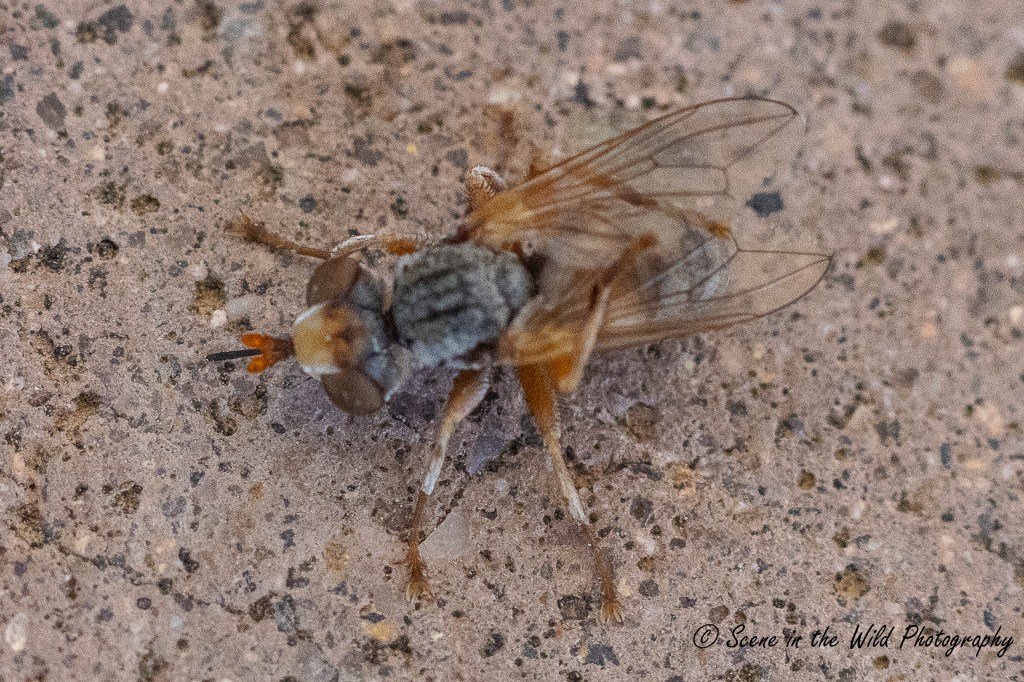
    This is another fly, but much smaller than the guy above–more like the size of a house fly, if not a bit smaller. Note the red eyes, orange antennae, and black proboscis. I’ve posted this on iNaturalist, so I hope to get a better ID.
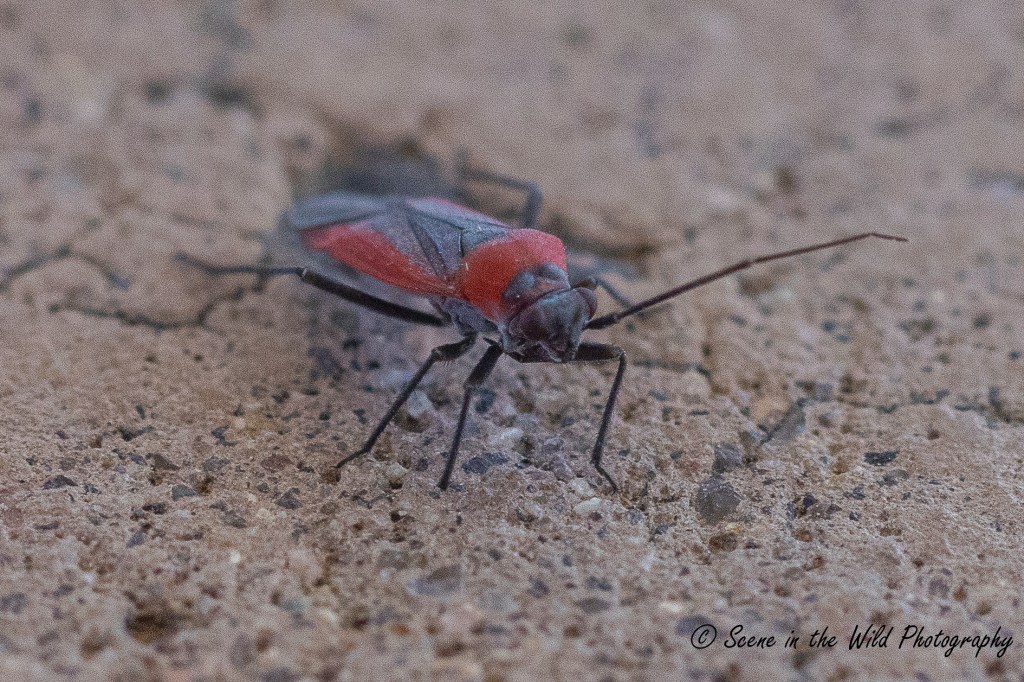
    This red and black beetle isn’t one of the insects that was captured, it just showed up to perhaps join the “party” when we were looking at the ones we did catch.
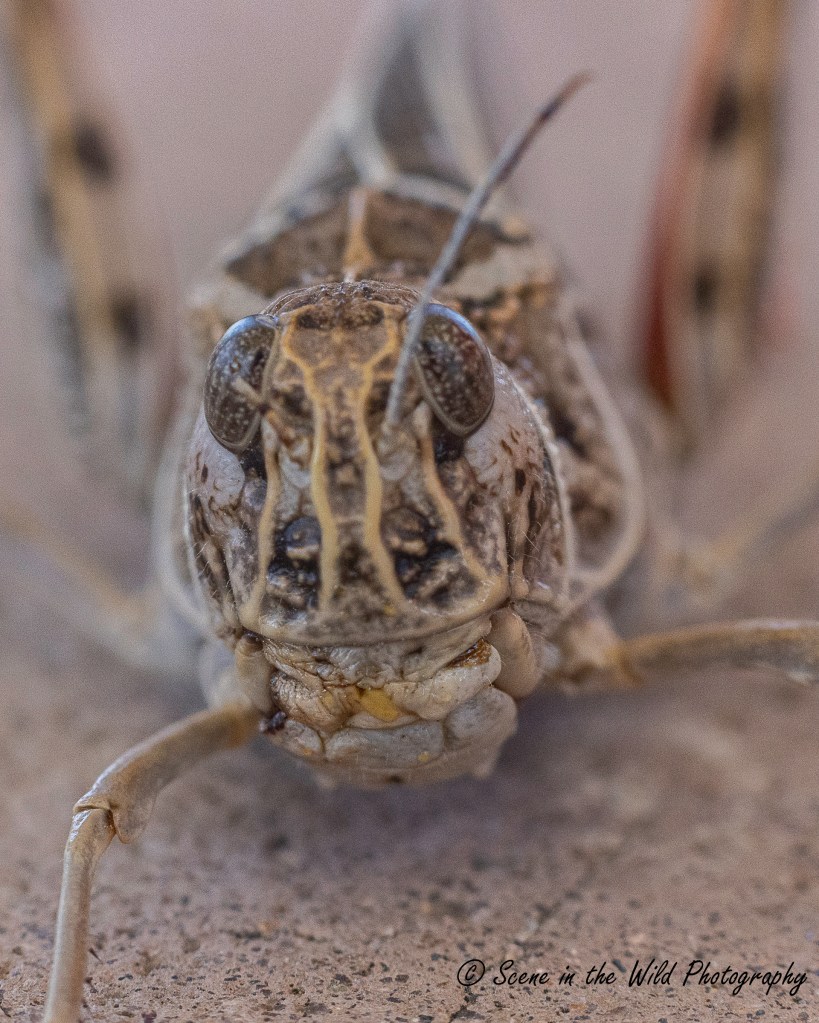
    A face only a mother could love? I’m fairly certain this is a red-shanked grasshopper; if you look closely, you can see a bit of red on one of its hind legs.
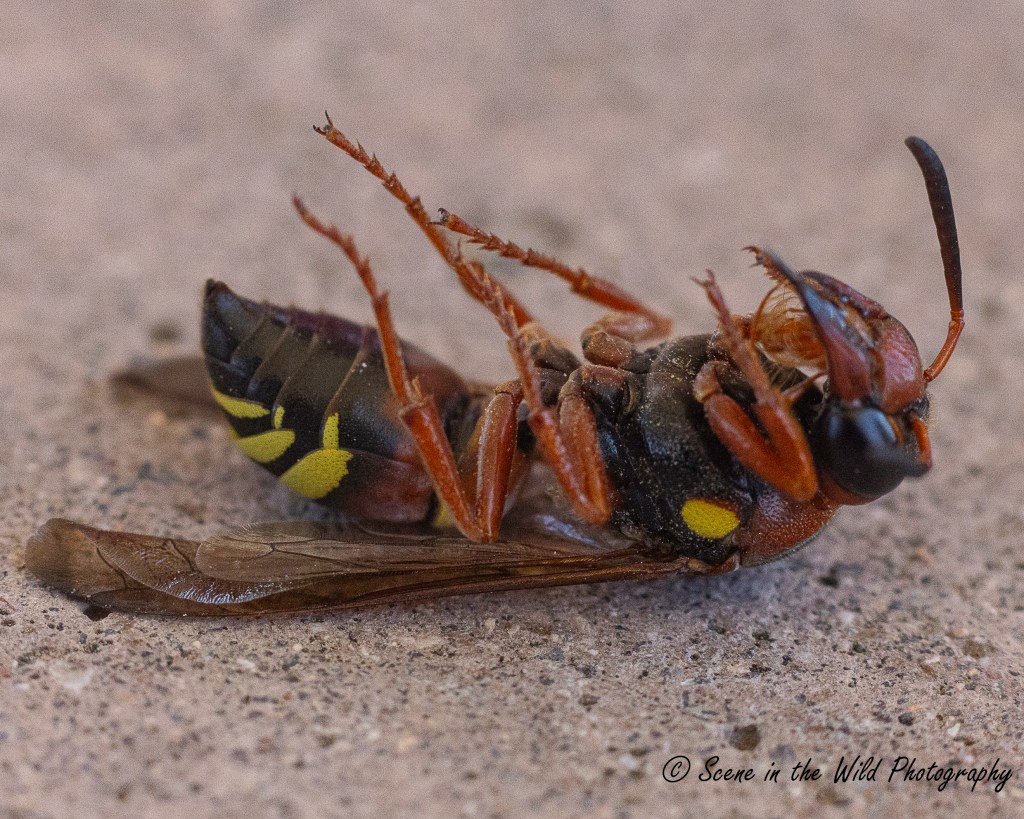
    This is a potter or mason wasp, according to iNaturalist. In case you’re worried, all of the captured insects woke up and went off to do their jobs.
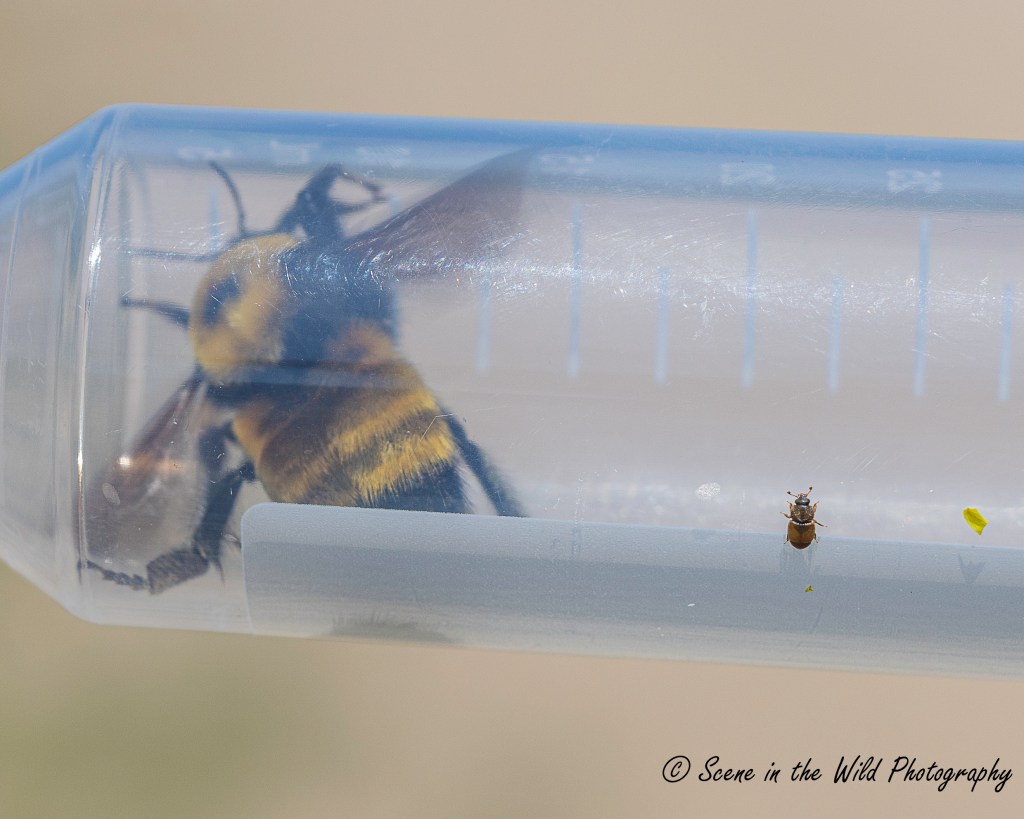
    The bumble bee we found on a Prince’s Plume. She’s a Bombus Nevadensis, as ID’d by our Bumble Bee Atlas trainer. Only the queens are out this time of year, searching for food so they can start providing for the eggs they’ll be laying soon. Plus, notice we had a little hitch hiker! Close-up below:
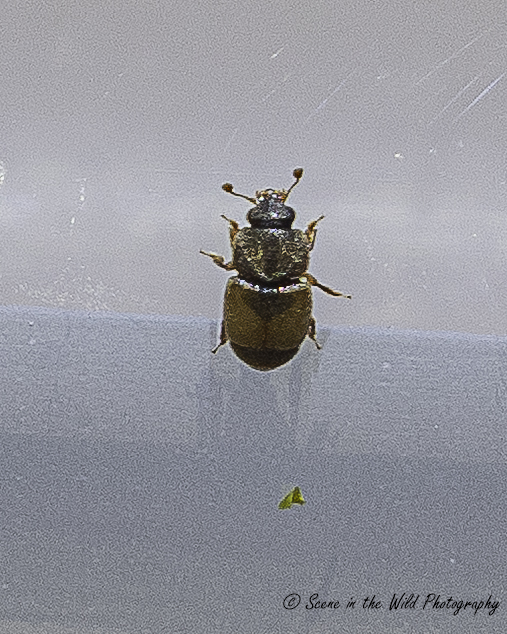
    One of the iNaturalist experts identified this as a Cactus Sap Beetle (Nitops pallipennis). That makes sense, as there are certainly many cacti on the Comanche!
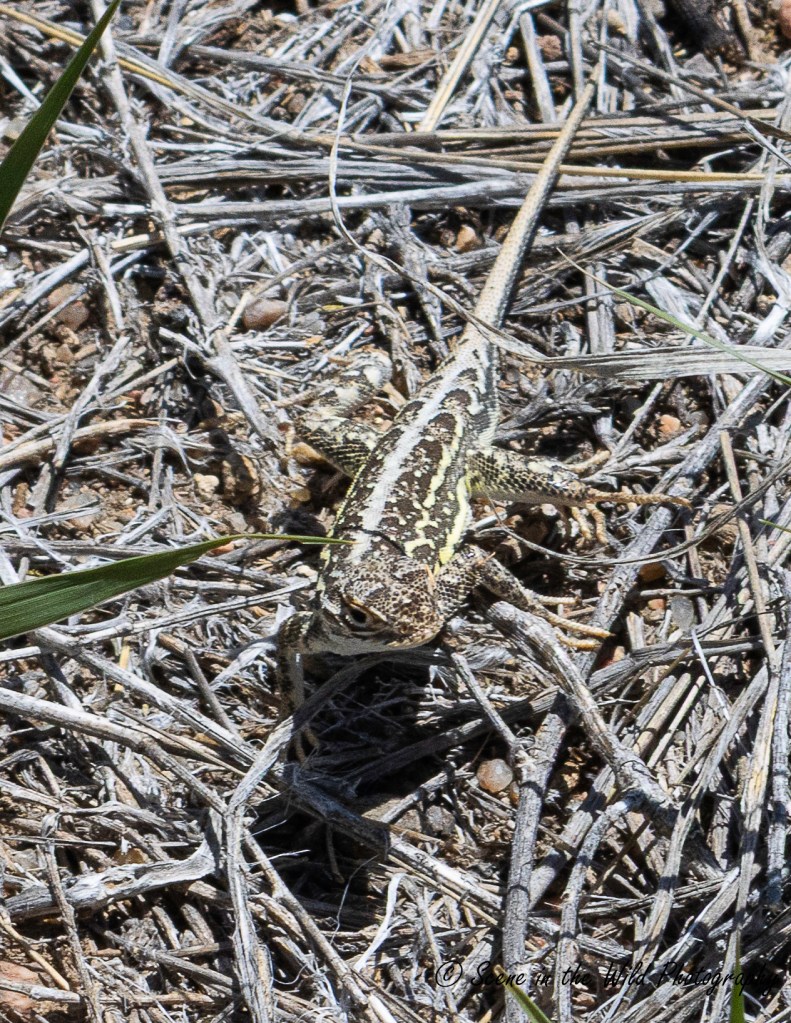
    The training was held at the Vogel Canyon Picnic Area. We spread out from there, looking for insects, but also saw quite a few of these lizards–Eastern Fence Lizards. This one seemed to be posing for me!

    If you’re interested in more information about the Bumble Bee Atlas (whether or not you want to participate), go here: https://www.bumblebeeatlas.org/pages/mountain-states The data goes to Bumble Bee Watch: https://www.bumblebeewatch.org/about/ If you go there, you can see where bumble bees have been sighted, and what species have been sighted.

    For more information about Comanche National Grassland: https://www.fs.usda.gov/r02/psicc/about-area/comanche-national-grassland

    Sign up here if you’d like to subscribe to my blog:

    ← Back

    Thank you for your response. ✨

    Warning

    Leave a comment

  • A Love Letter to National Parks

    I fell in love with National Parks on my first visit to Rocky Mountain National Park when I was eight years old. Since then, I’ve been to many National Park sites, and hope to go to many more. On every single visit, I’ve learned something about history, culture, or nature. I can’t imagine not being able have these amazing experiences.

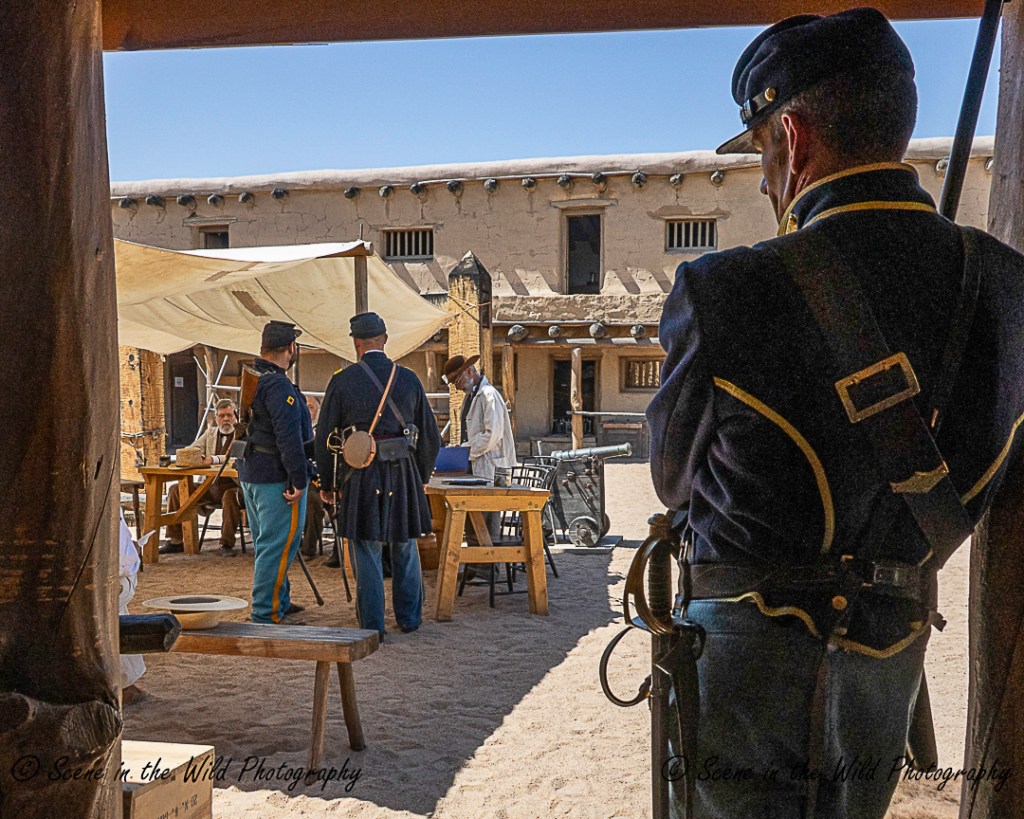
    As this is National Parks Week, I decided to go back through some of the photos I’ve taken at National Parks sites we’ve visited. I’ll start with the site closest to me–Bent’s Old Fort National Historic Site. This photo was taken Sept. 11, 2023, during the “Second Life” activity at the Fort. Unfortunately, the fort is currently closed due to structural issues. Trails are still open. Currently the park store is operating out of the John W. Rawlings Heritage Center and Museum in Las Animas.

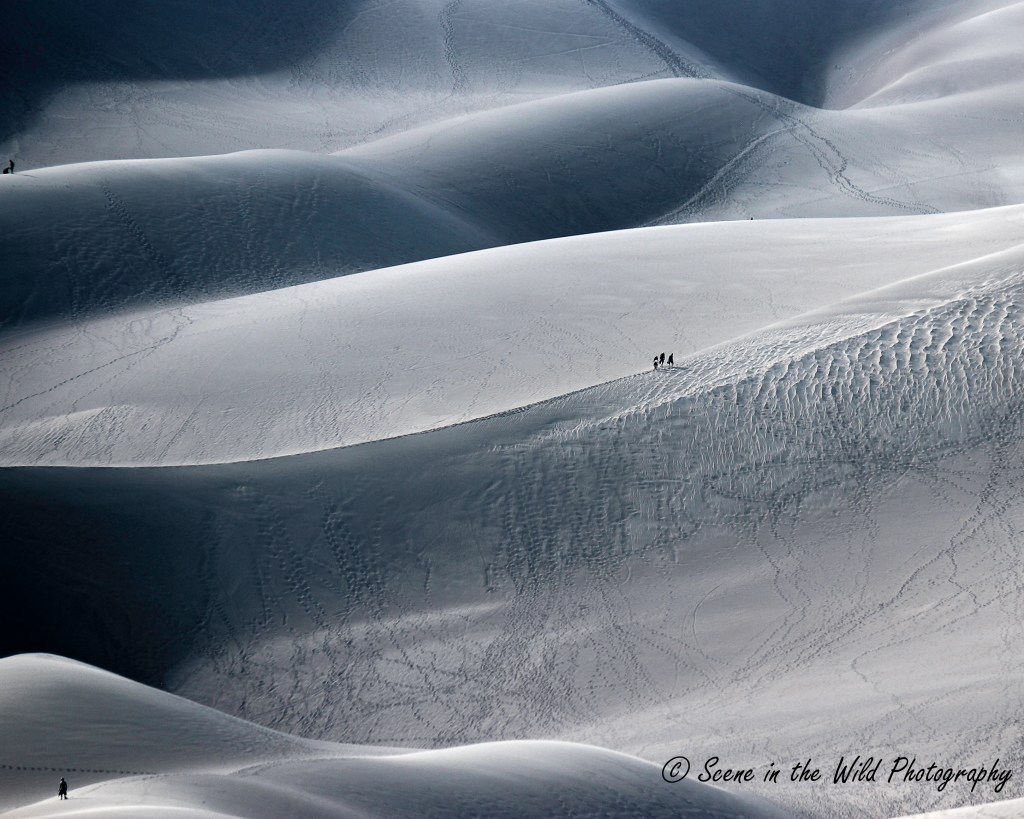
    This one is also in Colorado, although a bit farther away. Great Sand Dunes National Park near Alamosa, taken Aug. 10, 2018. If you go in the Spring, you might find Medano Creek flowing, which is always fun to wade in. Did you know that people slide down the Dunes in sleds?

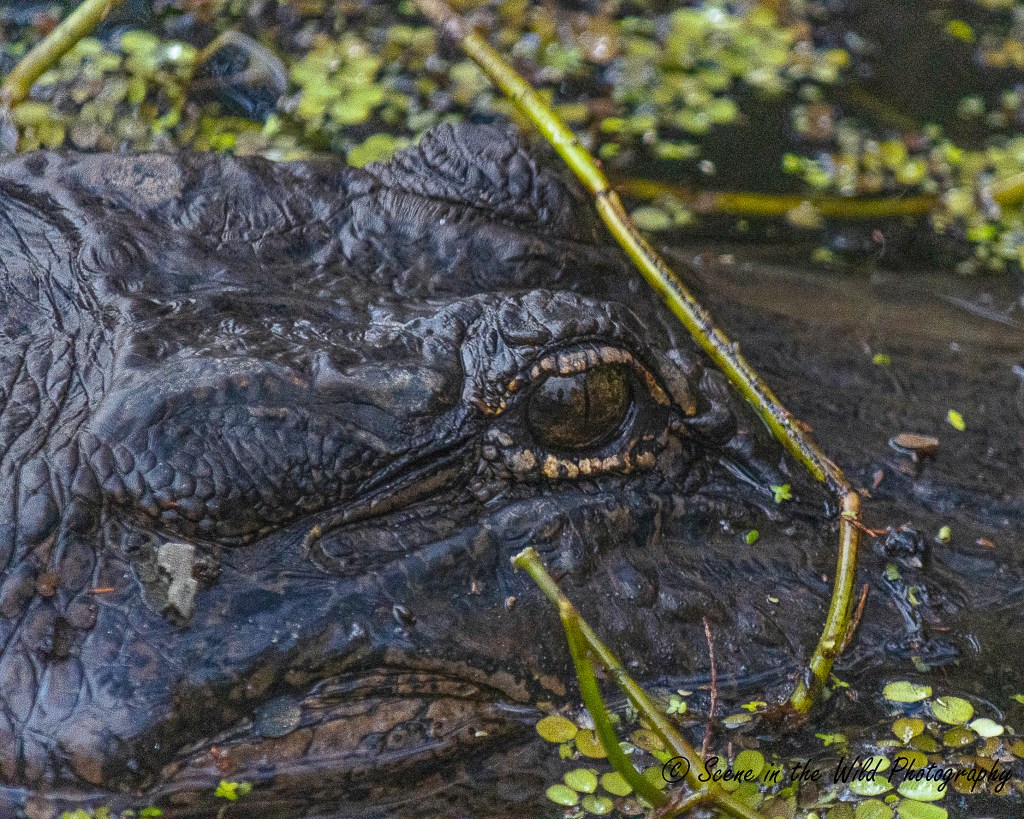
    One of my favorite National Parks sites near New Orleans is John Lafitte National Historic Park and Preserve. One time we saw baby alligators, but of course, this is no baby! Dec. 27,2024.

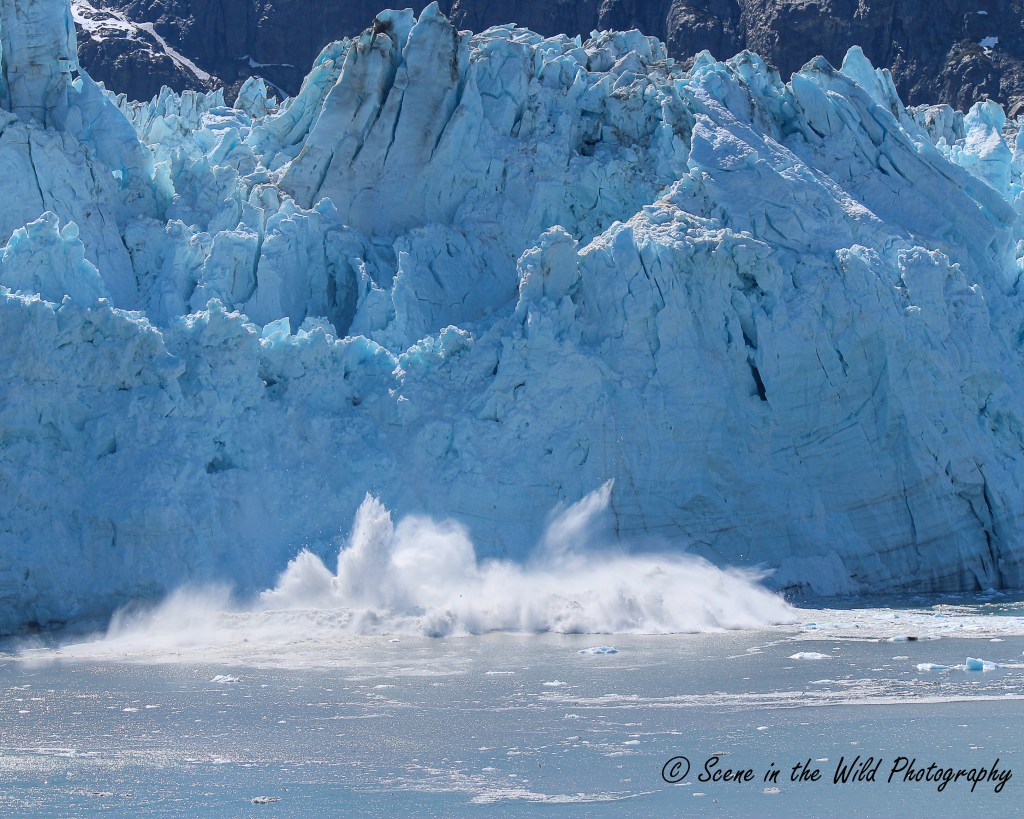
    I’m just going to jump around a bit, both by place and time. For our 30th anniversary, we went on an Inside Passage Cruise to Alaska. One of the highlights was being able to cruise into Glacier Bay National Park and Preserve. Watching the glaciers calving, not to mention hearing them, was a fantastic experience! June 9, 2013.

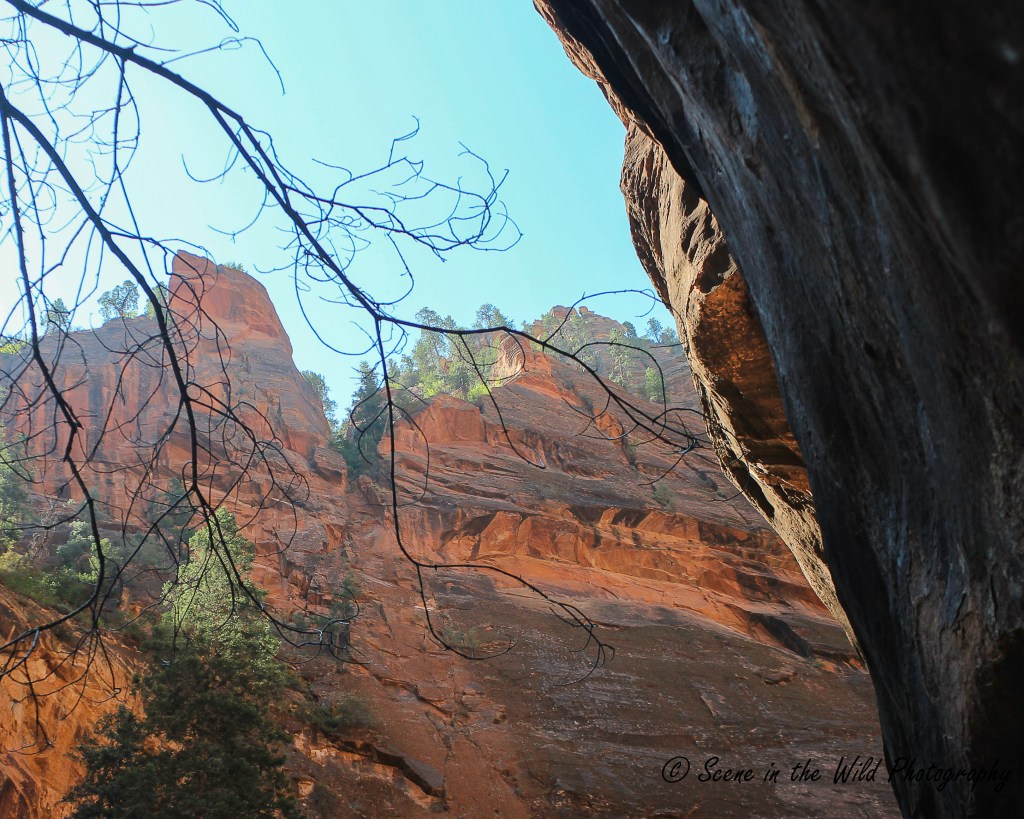
    Zion National Park, Utah; more specifically, Zion Narrows. I’m proud to say that yes, I walked the Narrows! We rented special shoes and walking staffs which made navigating the river much easier. Aug. 6, 2018.

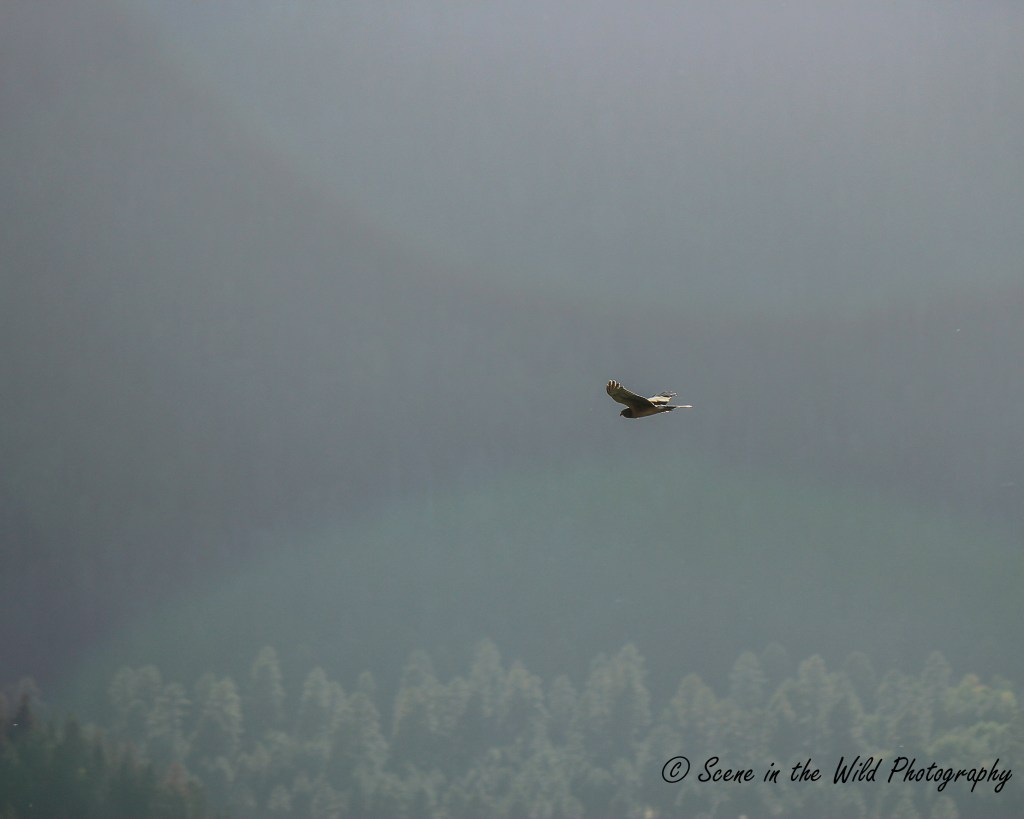
    A hawk flying over Valles Caldera National Preserve. Sept. 24, 2016. What an amazing, beauiful spot! It’s a 13.7 mile wide volcanic crater in New Mexico. As we were leaving in late afternoon, we parked above the preserve and watched a large herd of elk and heard the bulls bugling.

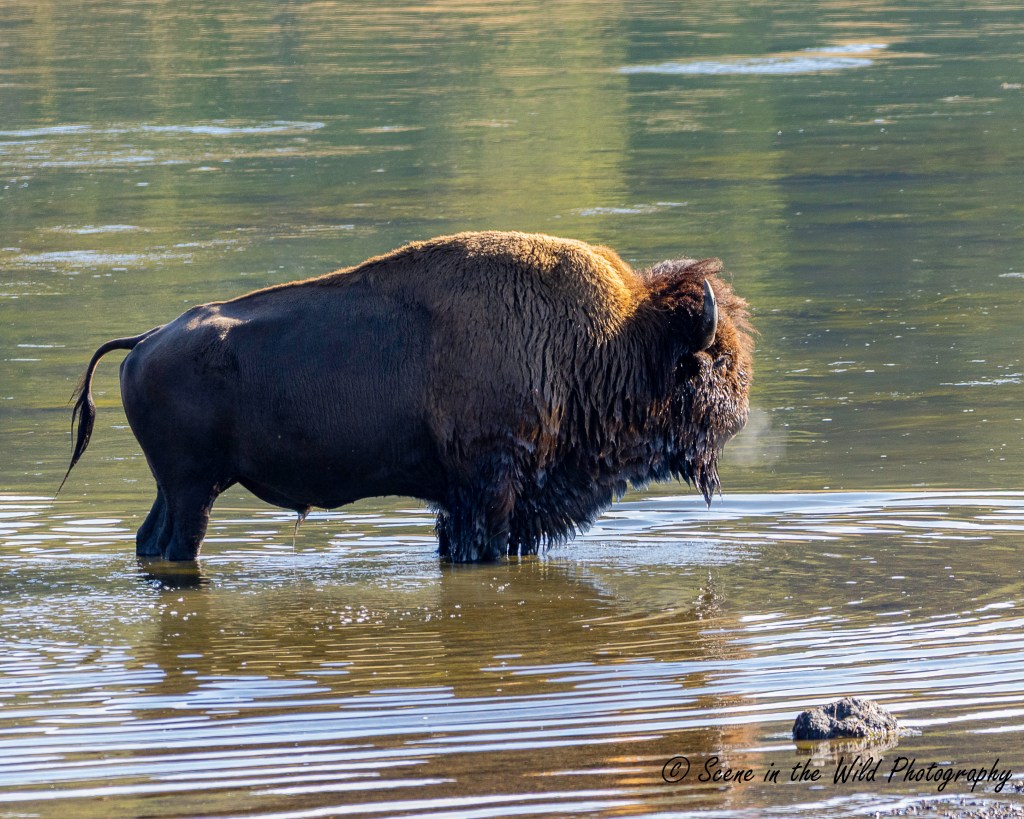
    Yellowstone National Park, Montana. We watched this bison swim across the lake. Note the steam from his breath. Sept. 24, 2022. This was my first trip to Yellowstone, and although we were there for several days on a Road Scholar trip, there is still a good deal of territory to see. Yellowstone in winter sounds intriguing!

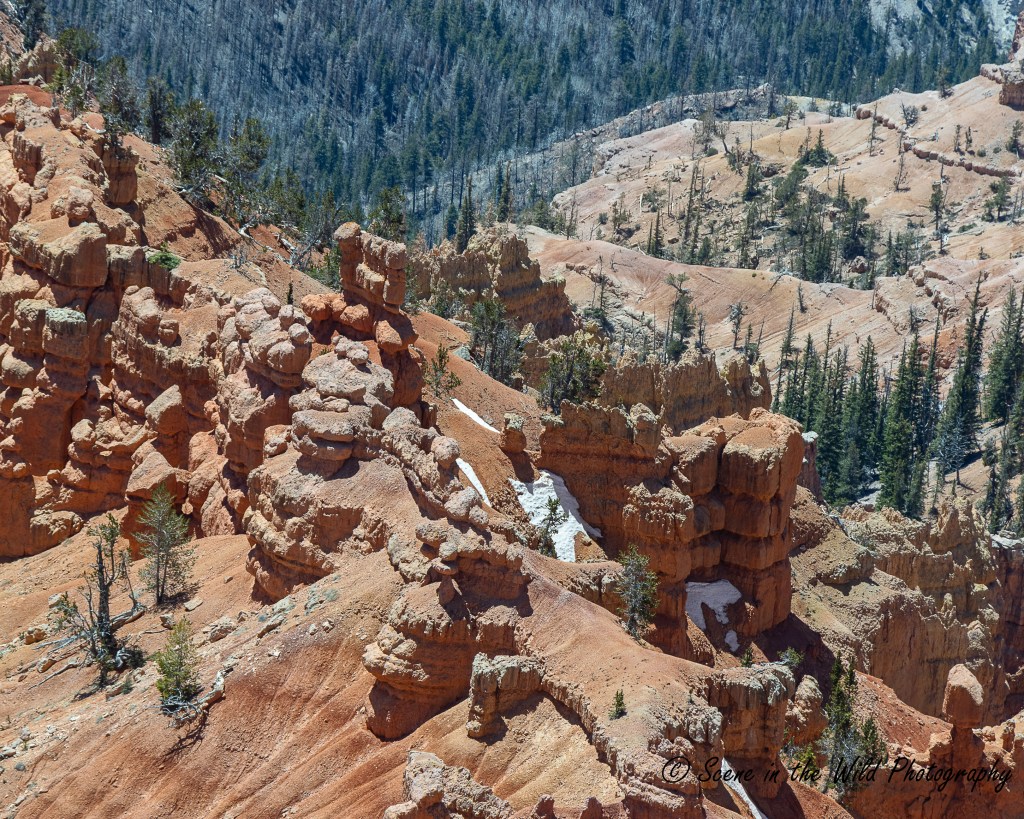
    Cedar Breaks National Monument, Utah. May 14, 2022. The geologic formations are very reminiscent of Bryce Canyon National Park, which isn’t all that far away, especially if you’re a crow.

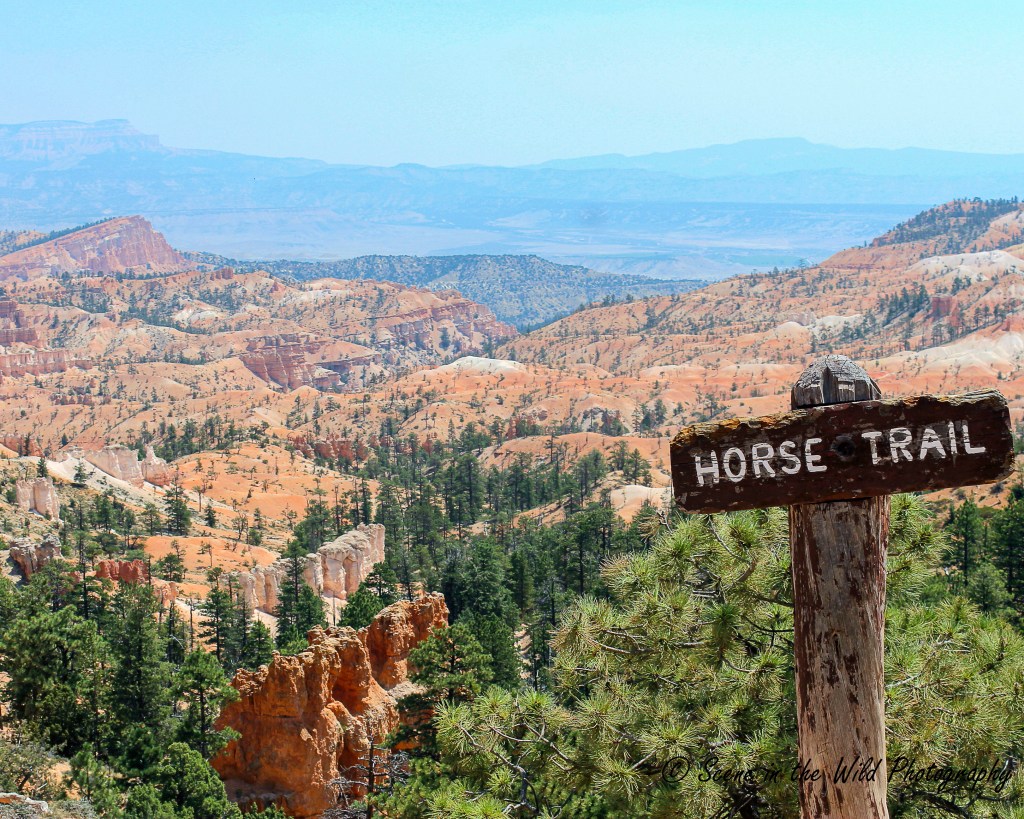
    Since I mentioned it, here’s Bryce Canyon National Park, Utah, and a few hoodoos. Aug. 7, 2018. I think it’s great that there are all sorts of activities to pursue in National Parks, such as trail riding.

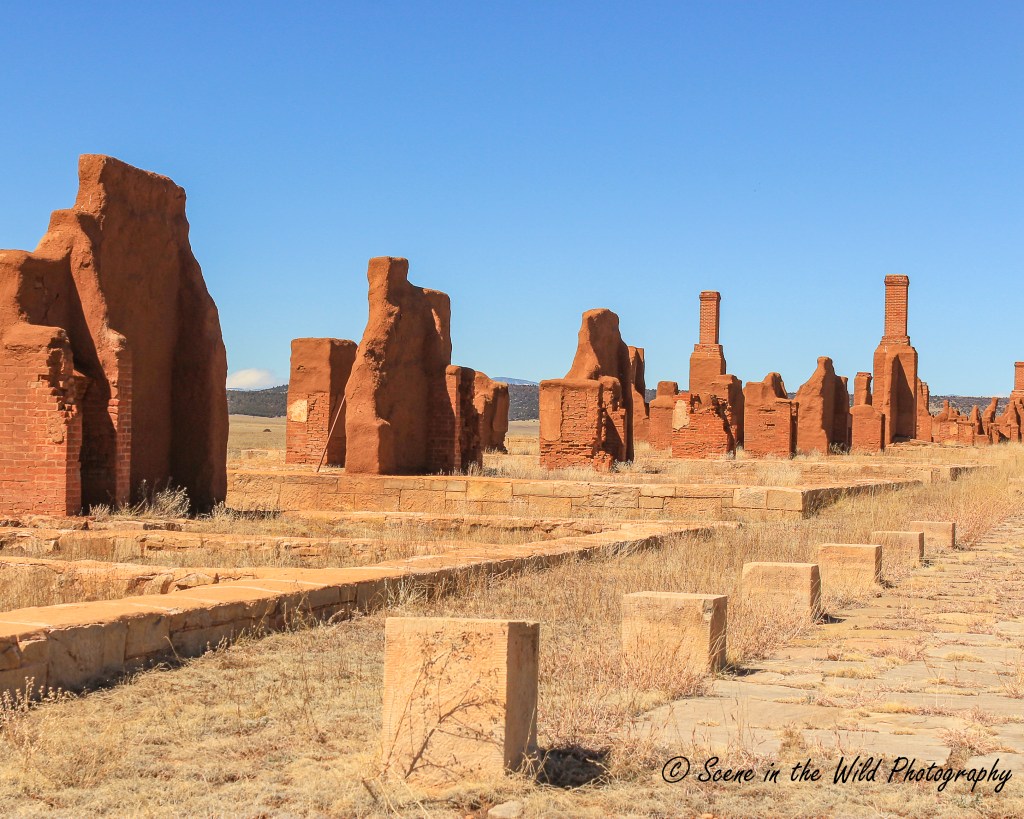
    Fort Union National Monument, New Mexico. This was another fort on the Santa Fe Trail, used by the military. For my 68th birthday, I wanted to go to Las Vegas, NM, and stay at the Castaneda Hotel there, which was once a Fred Harvey Hotel. When I was a volunteer for the NPS Trails and Rails program, we were able to watch as the Castaneda was restored, so I was excited to book a room there when it reopened. Fort Union is not very far away. March 14, 2020. Note that date. We were probably some of the last people who visited Fort Union, because COVID shut it down shortly afterward.

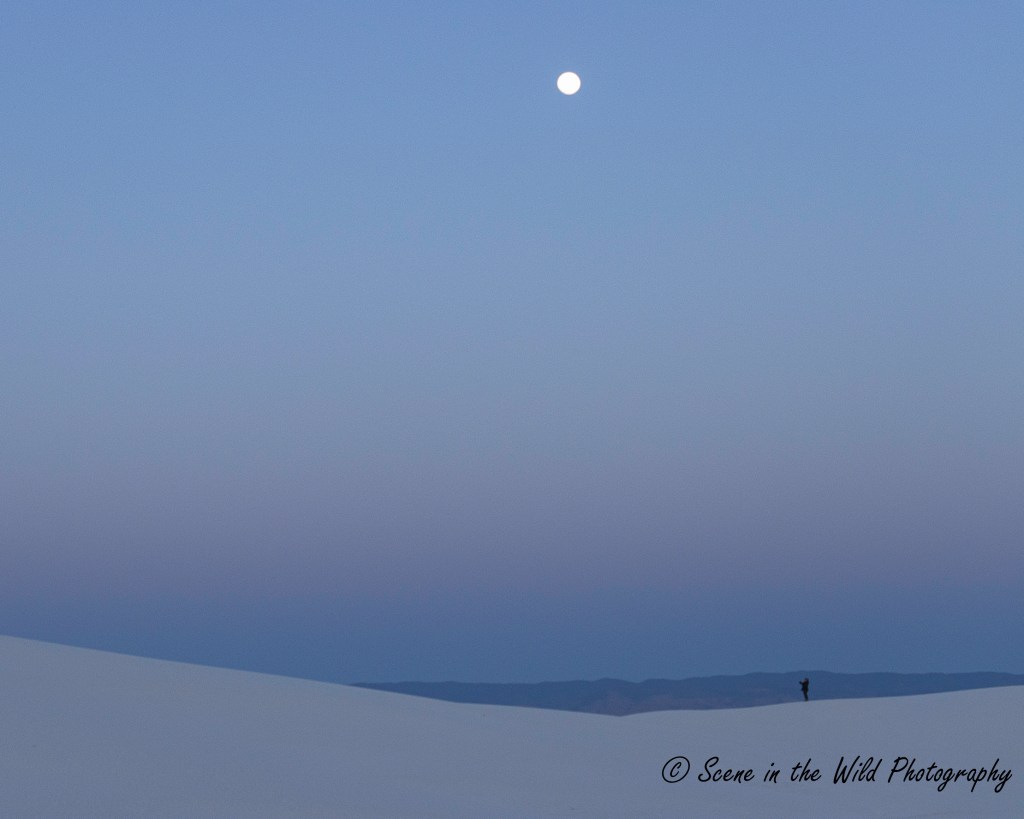
    White Sands National Park, New Mexico. A stop on my 70th birthday trip to Carlsbad Caverns. The sand really is white; it’s composed of gypsum. Although we went there in the afternoon, we stayed until twilight, to view the full moon. March 24, 2022.

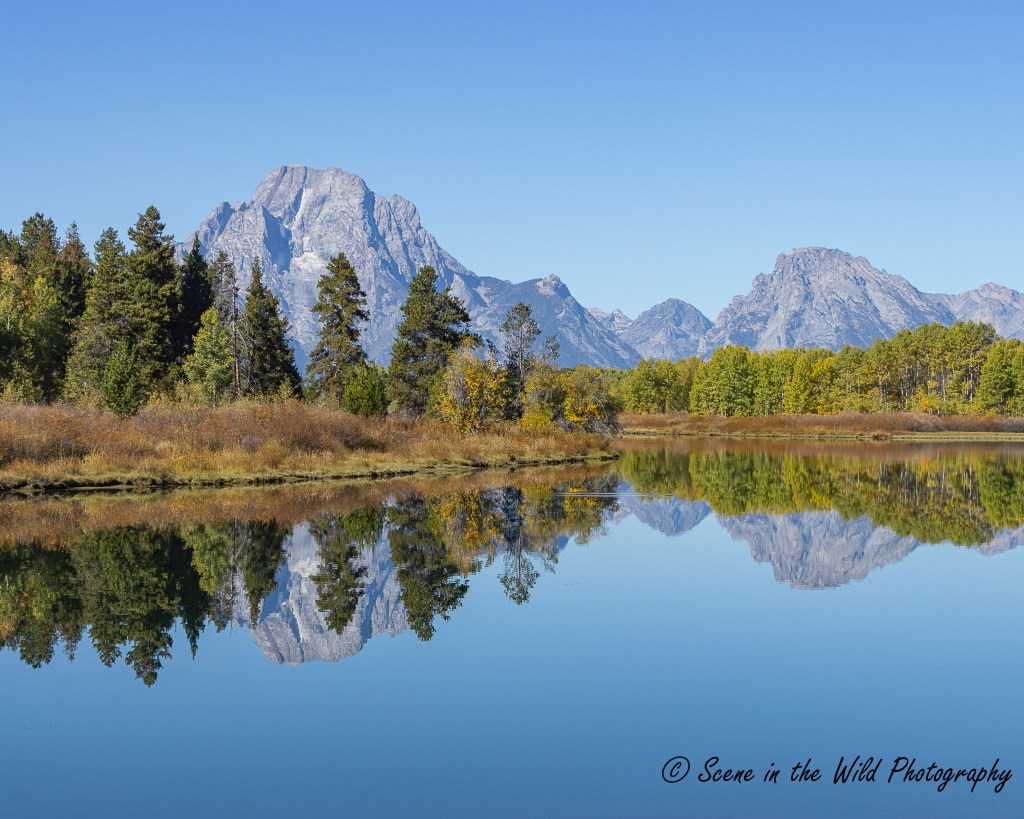
    After our trip to Yellowstone, we drove through part of Idaho to visit Grand Teton National Park. Those mountains are jaggedy! Sept. 26, 2022.

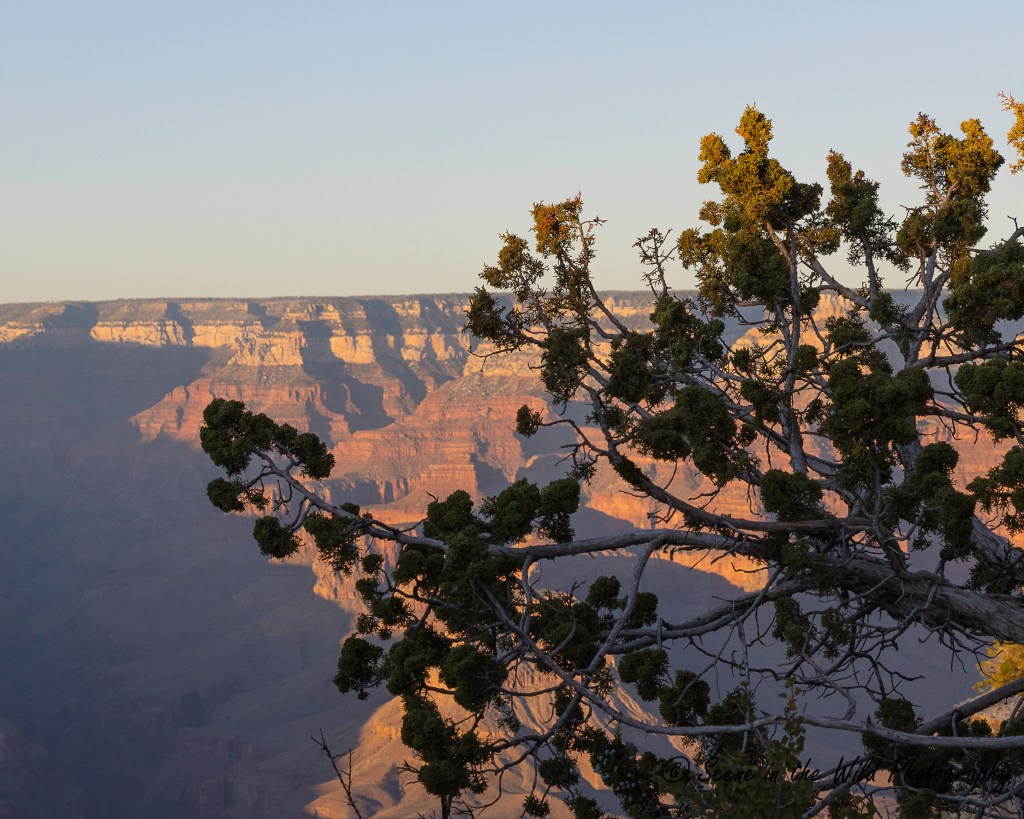
    Grand Canyon NP (south rim). We visited the north rim several years ago, but I’d never been to the south rim. Sept. 24, 2023–which happened to be our 40th anniversary. Photos just don’t do it justice.

    Cane River Creole National Historic Park (Oakland Plantation), Louisiana. This plantation and its sister, Magnolia, are two of the most intact Creole cotton plantations in the U.S. Generations of the same families: enslaved and tenant workers and owners. We visited right after a heavy downpour. Dec. 29, 2019.

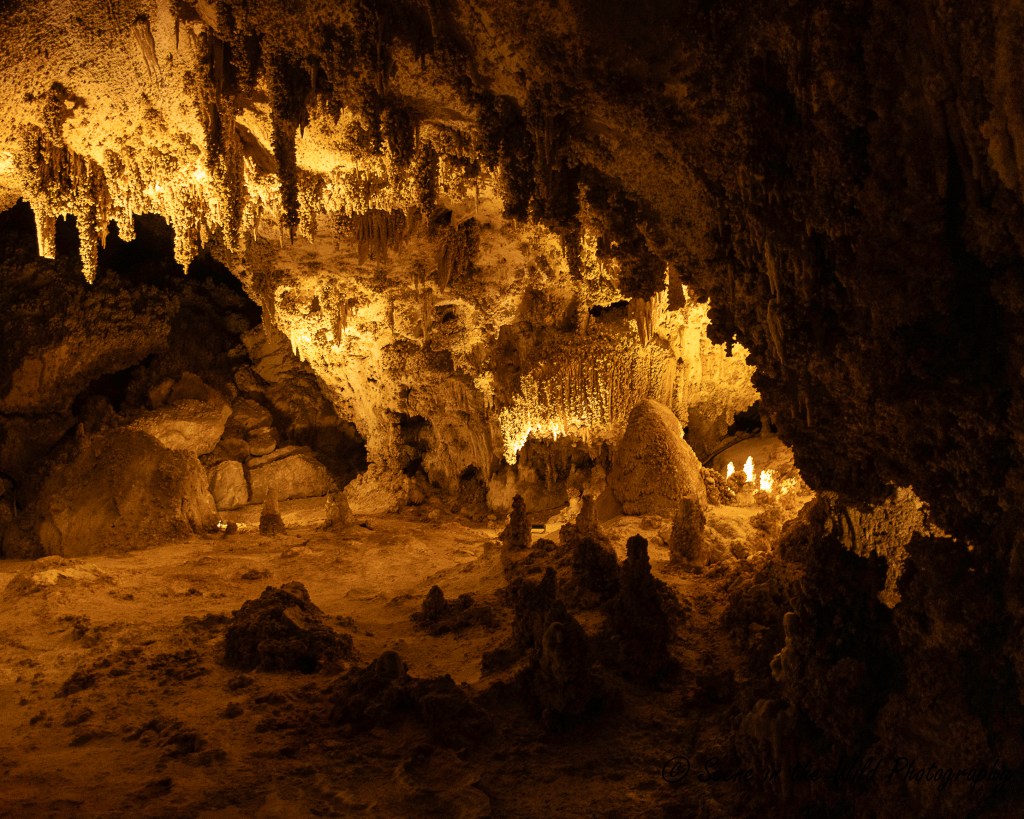
    Carlsbad Caverns National Park, NM. The ultimate stop on my 70th birthday trip. Oh my. There are views all over: up, down, ahead, and behind. We spent a couple of hours in the great room, simply amazed at its size and beauty.

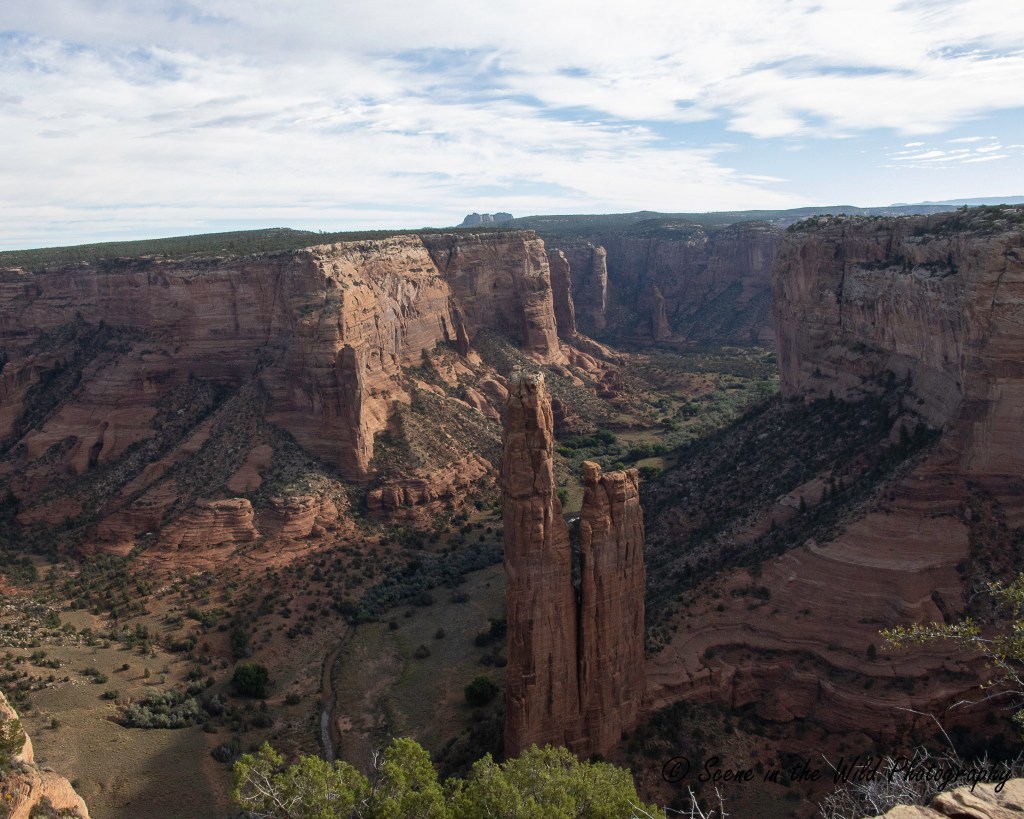
    Sept. 20, 2023. A stop on a Road Scholar trip: Canyon de Chelly National Monument, Arizona, with Spider Woman’s Rock in the center. According to Navajo legend, Spider Woman lives here. Our Navajo Guide told us that her elders told her that Spider Woman is always searching for disobedient children.

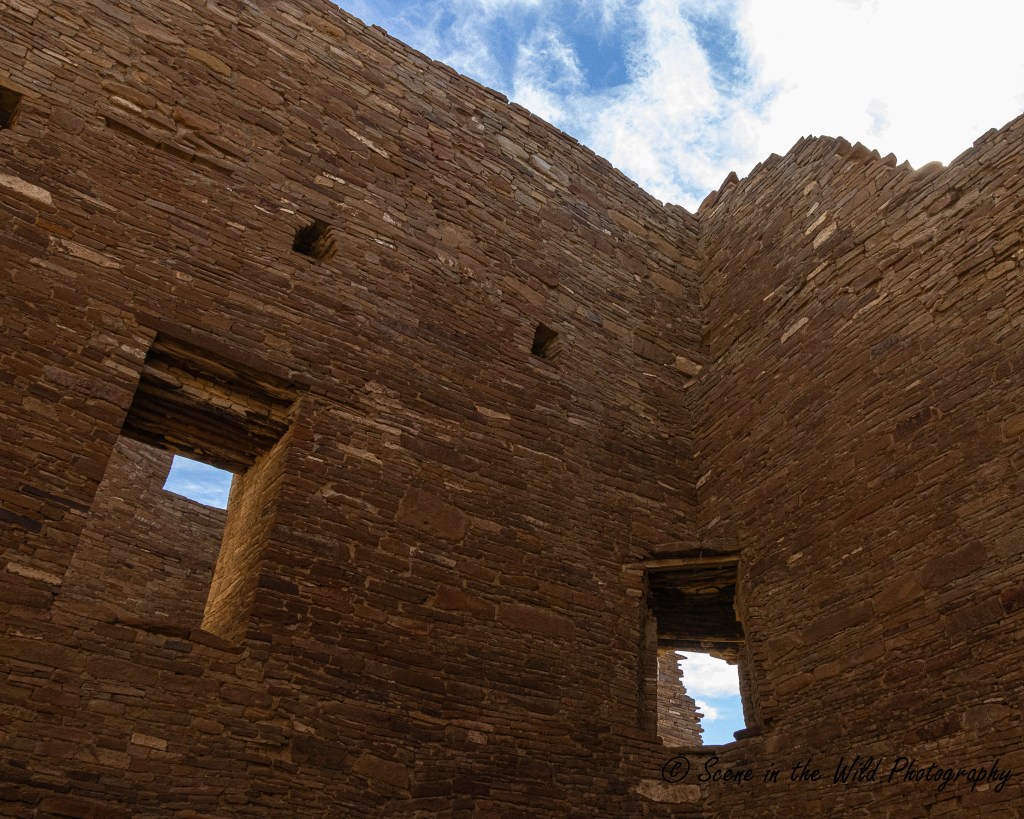
    On the same trip, we toured Chaco Culture National Historic Park (NM). Sept. 22, 2023. The structures at this park are from ancestral Puebloan culture between 850 and 1250 CE. Very awe-inspiring to think of how advanced this civilization was.

    There are many more National Park Service sites, which are places to discover America’s stories. Each site and each trip is unique. NPS.gov is a good place to start. Look for the site you’re interested in, and be sure to check operating days and hours. Some have changed due to the firings of many National Park Service personnel. Although park visitation has gone up the past few years, funding was already lacking. Look back at the photos and imagine an oil or gas well in the middle of the scenery. That idea bothers me. I hope it bothers you.

    If you would like to continue getting my blogs, sign up below and they’ll automatically come to your email when they’re published. There’s no charge to you.