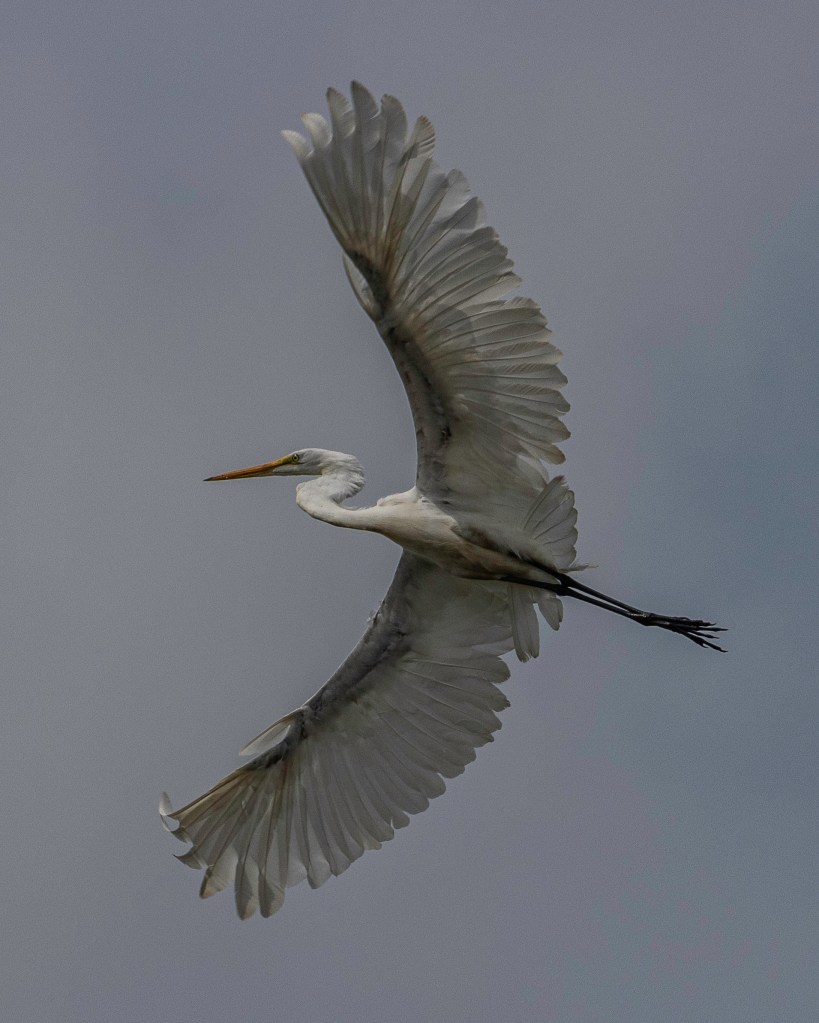
A great egret soars over the Lacassine Pool on the Creole Nature Trail in Lousiana. April 27, 2026.
I know it has been quite some time since my last blog. I apologize for that. Life sometimes gets in the way!
I’ve been several places and decided to highlight animal types instead of the locations I took the photos in. In other words, the next couple of blogs are going to be a mishmash of places. I’ll indicate on each caption where the photo was taken, but I’ll try to do it chronologically.
But now I’ll break that rule, because I selected my best bird photo, above, from a group of photos I took while we toured the Creole Nature Trail in Louisiana in April. I was lucky that was flying slowly and not too far above where I was standing. Note that it is flying with its neck bowed.
I’ll get back to Louisiana later. First, let’s go to the San Luis Valley, where we went to watch the Sandhill Cranes in March. We were able to see them both at sunrise and sunset. It’s hard to describe the experience as the cranes are flying in, but it is almost surreal.
San Luis Valley March 16
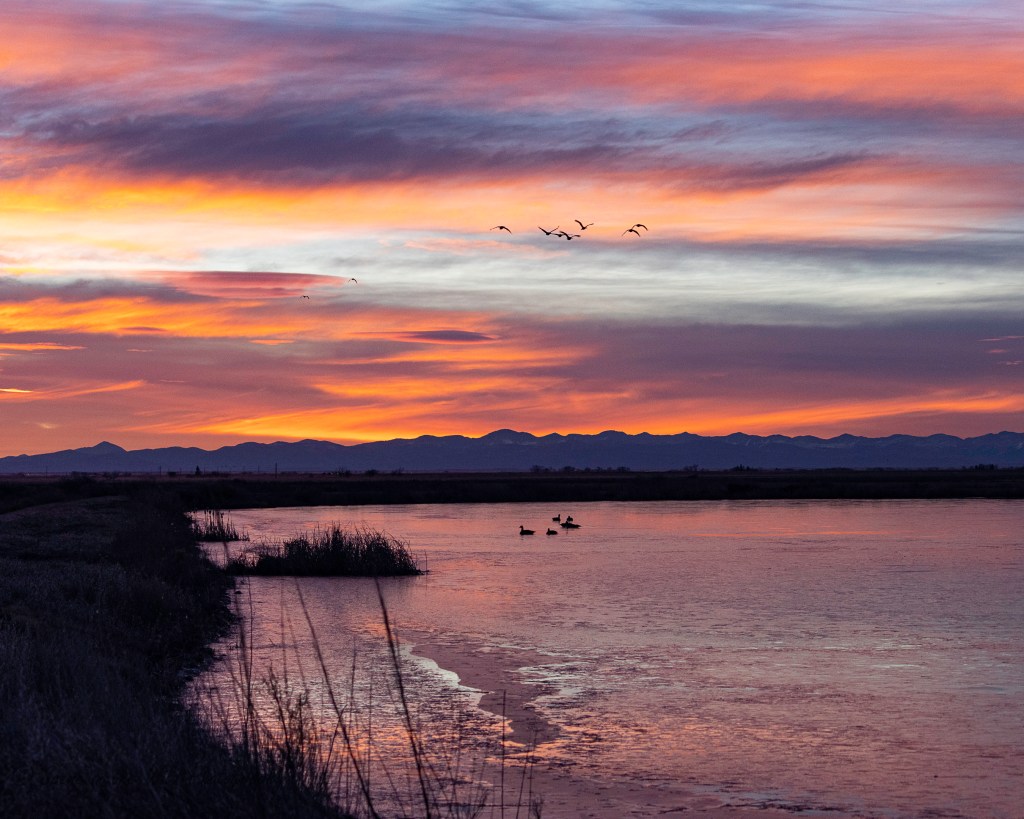
Sunrise on a pond at Monte Vista National Wildlife Refuge, with cranes in the air and geese on the water. The Sangre de Cristo mountains are in the background. March 16, 2026.
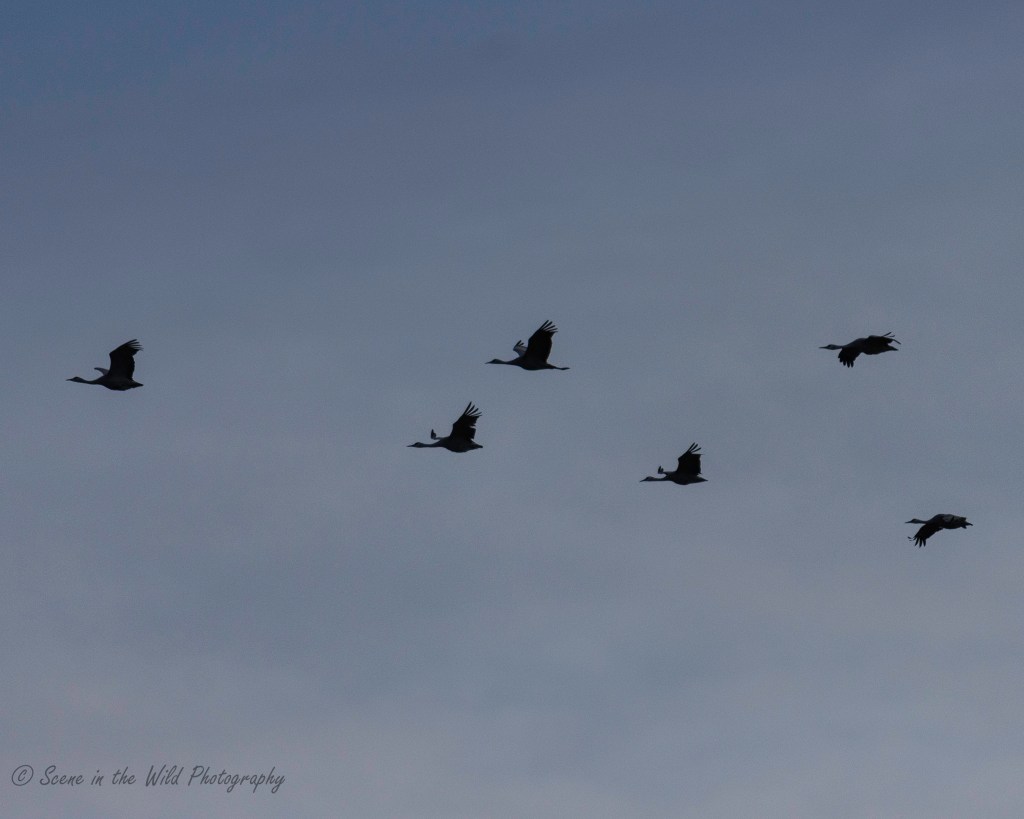
Silhouettes of flying cranes in the early morning.
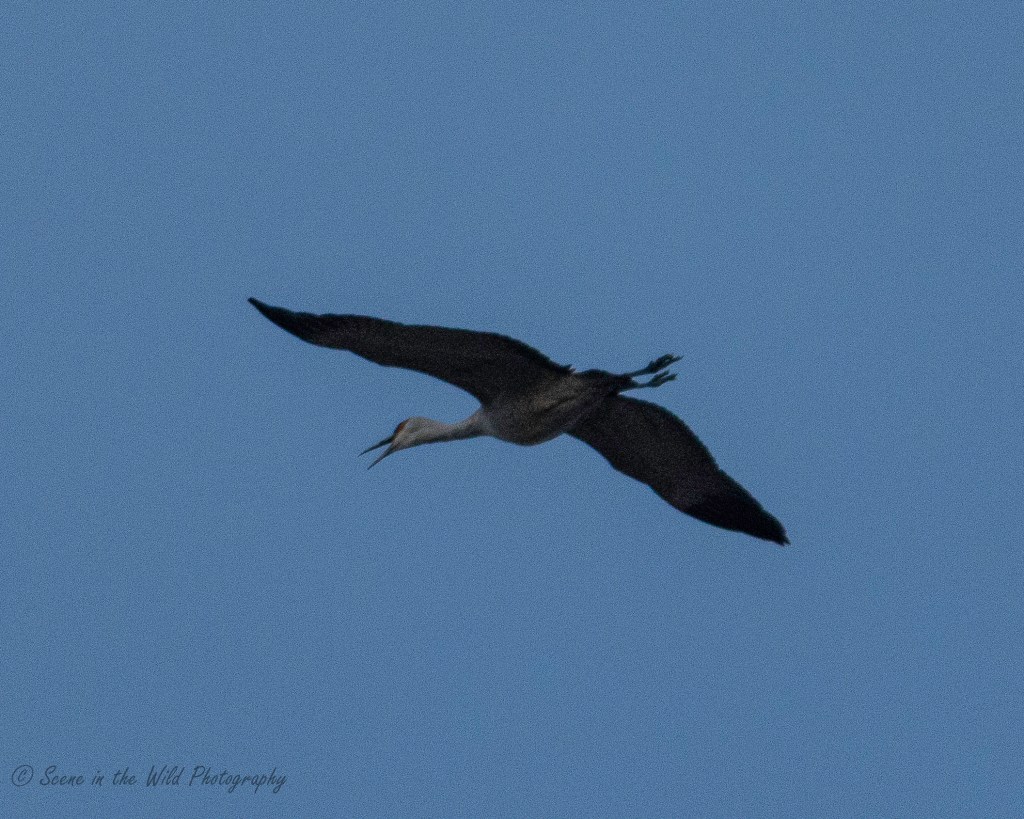
A sandhill crane calls as it flies. Note the hint of red on its crown.
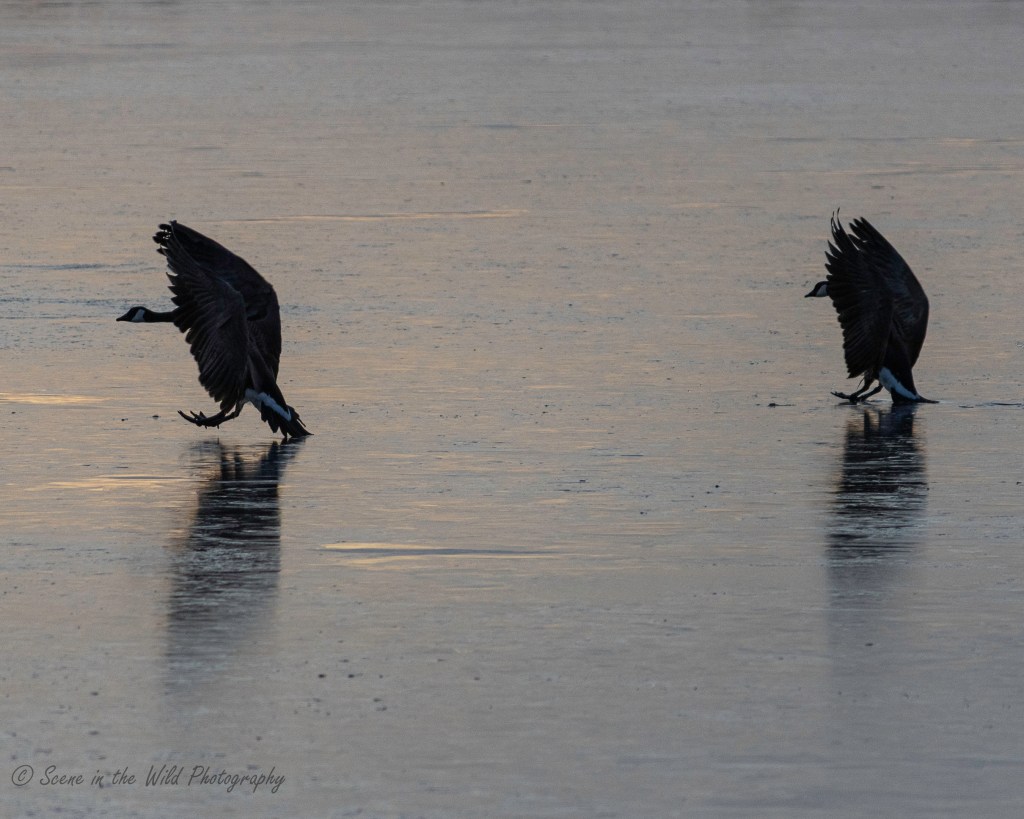
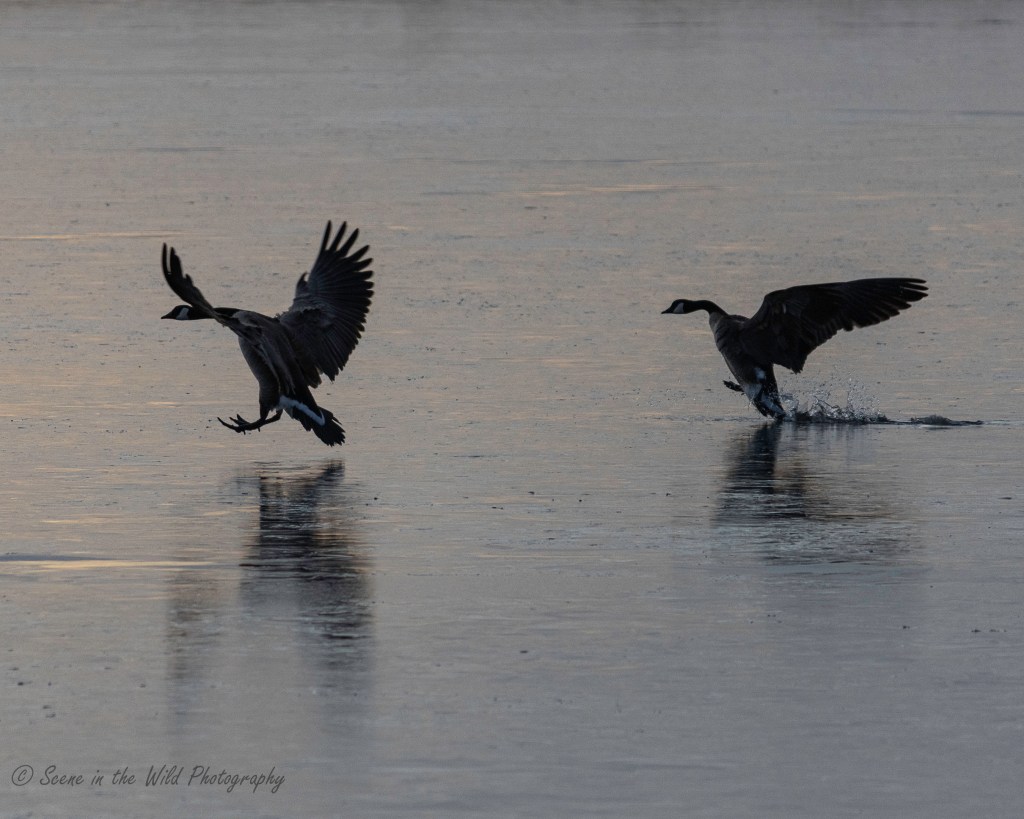
Canada Geese were on the water before the cranes showed up. I enjoyed their water ballet as they landed.
We went back before sunset to see the cranes come back onto the water. At first we thought they weren’t going to show up, but then we notcied a quartet of them across the pond. Then the rest starting flying in, a few at a time, then larger groups en masse. They were coming from all directions.
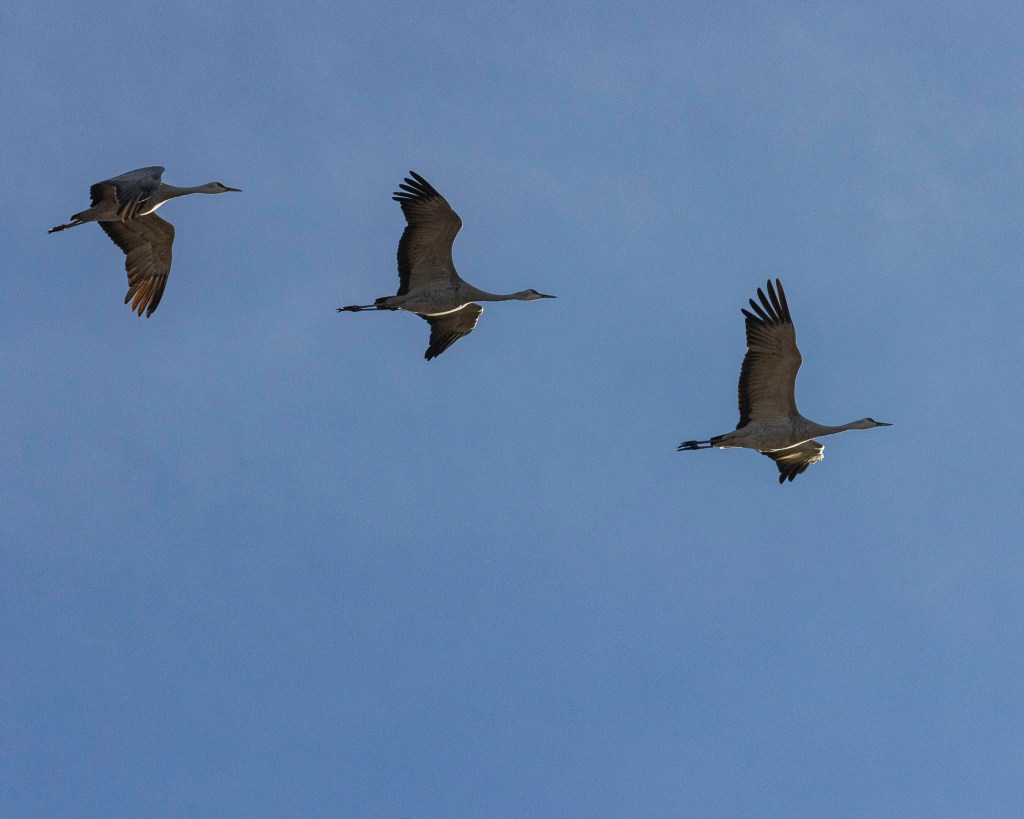
Three cranes flying back in.
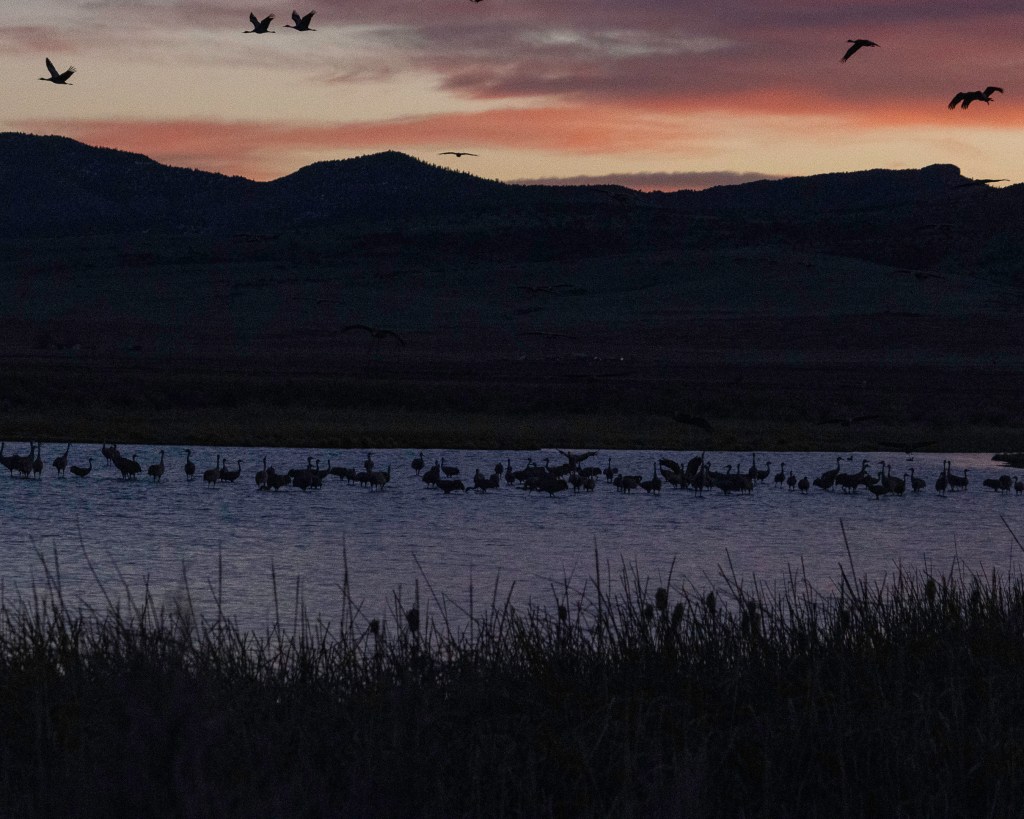
This shows just a hint of what the sunset flight looked like; birds were in the sky and on the water, and making quite a bit of noise!
John Martin Reservoir April 14
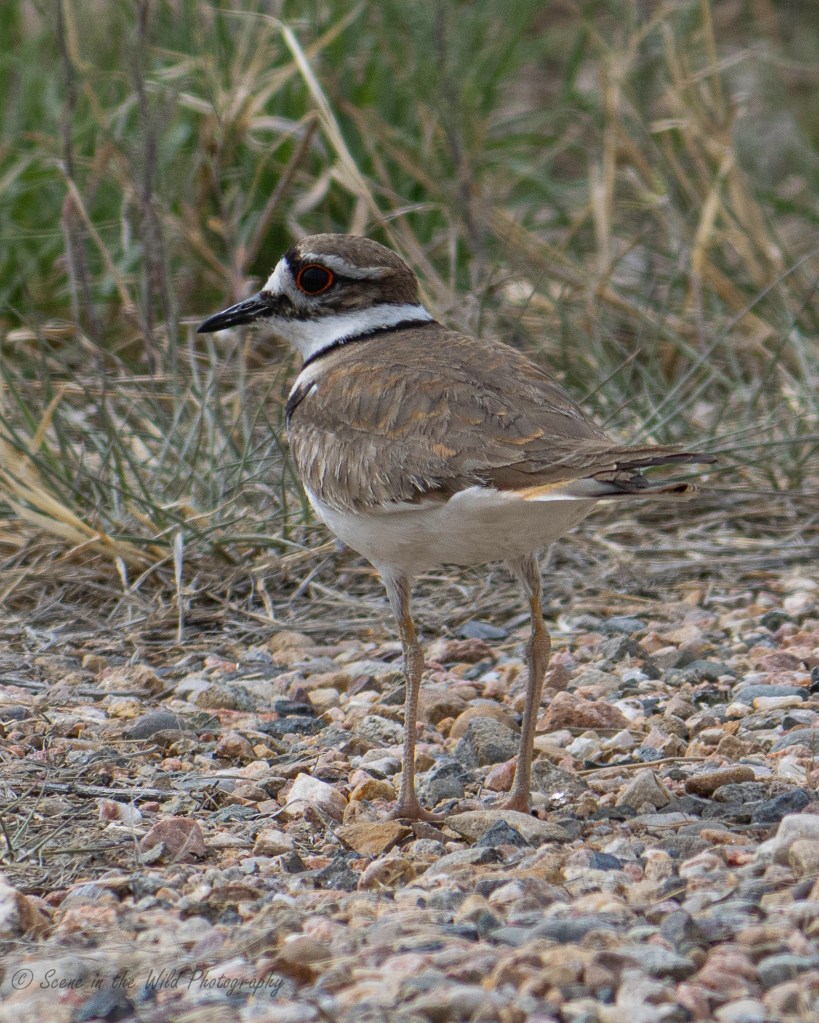
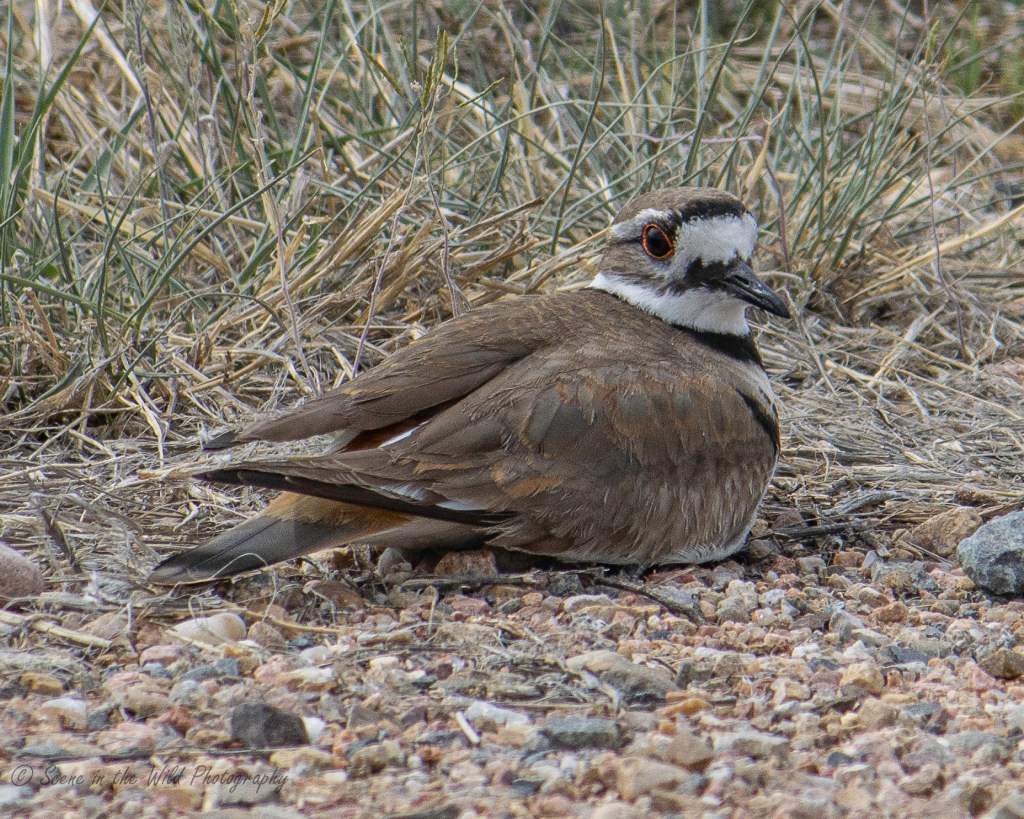
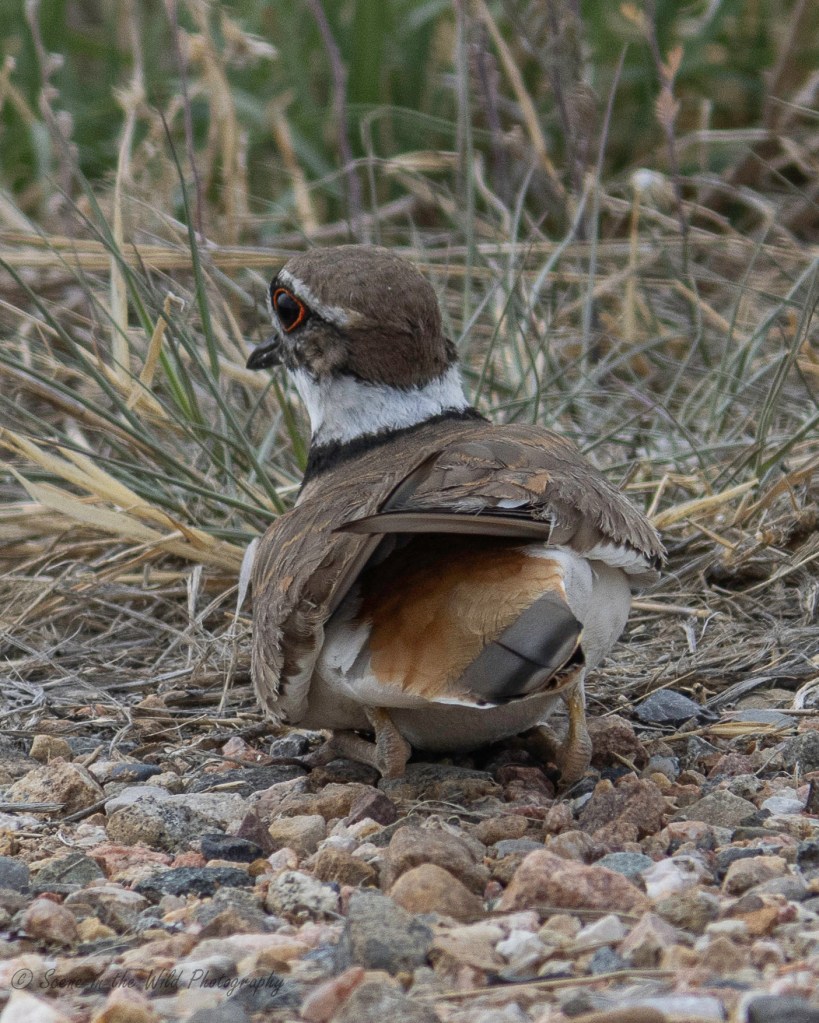
We took a visiting friend out to John Martin Reservoir April 14. I was walking along the road by Lake Hasty when I spotted this killdeer. I was surprised that I could get so close. I think she was exhibiting nesting behavoir, although I didn’t see any eggs, and I hope she chose a site farther from the road.
Cypress Island Nature Preserve April 23
We went to Louisiana later in April to attend the International Music Festival in Lafayette. However, I couldn’t resist the “call of the wild!” The first place we visited was the Cypress Island Nature Preserve near Lafayette. Managed by the Nature Conservancy, it has 9,000 acres of wildlife habitat, including a cypress/tupelo swamp and forest land.
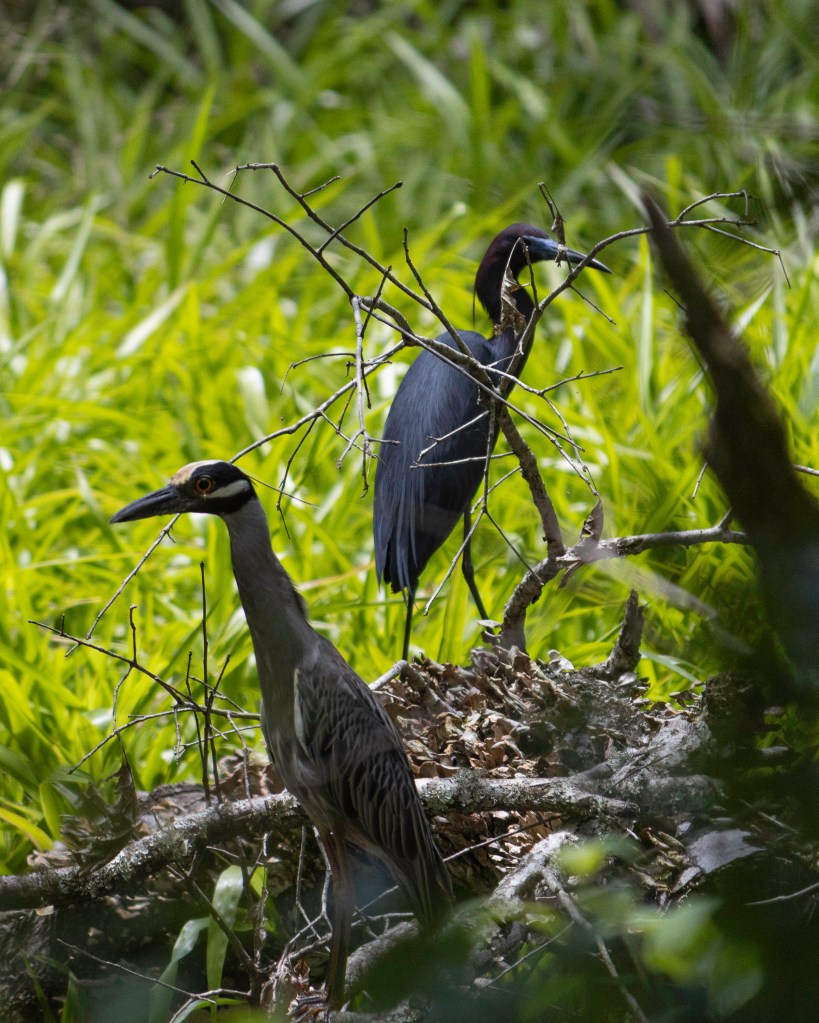
Two herons in one photo! The one in the front is a yellow-crowned night heron; the other one is a little blue heron. April 23, 2026.
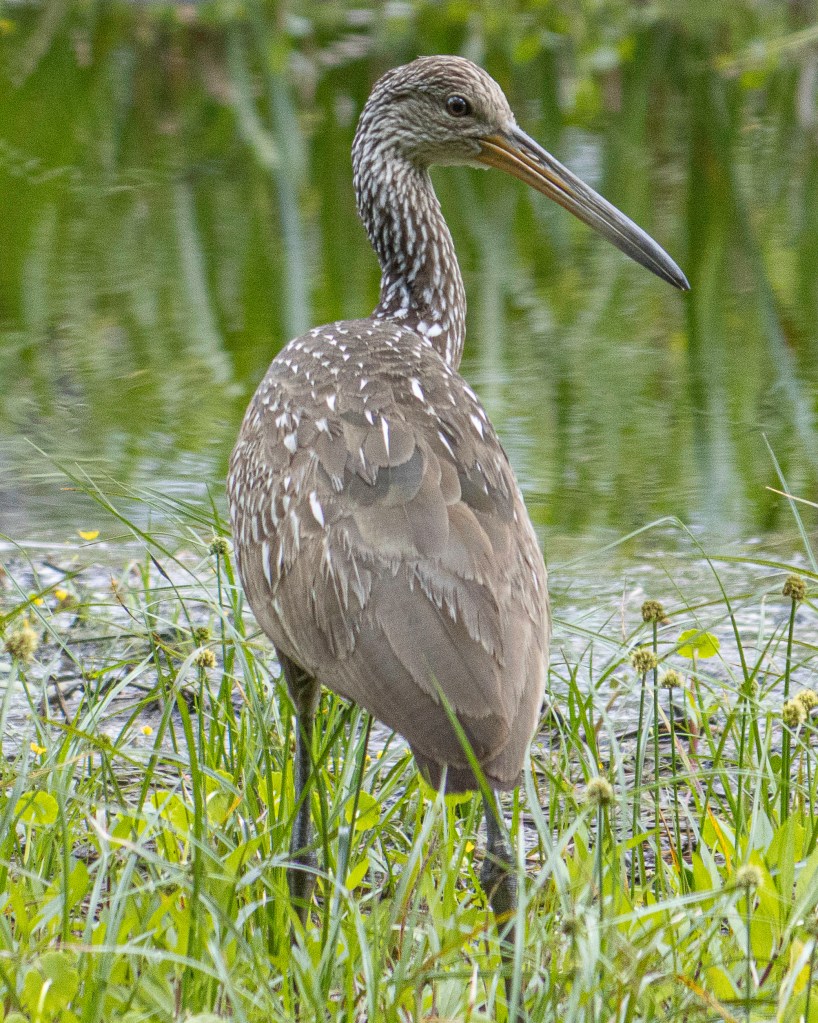
A new species for me! This is a limpkin. We watched it for quite a while as it waded slowly in shallow water, probably looking for food. Limpkins are a type of crane that feed on snails and other mollusks.
Rip’s Rookery April 23
One of my goals on the trip was to see roseate spoonbills in the wild. We did see a couple at Cypress Island Preserve, but I wasn’t quite satisfied, so we drove south to Rip’s Rookery, which is on Jefferson Island and part of the Rip Van Winkle Gardens.
We don’t know how many roseate spoonbills we saw! They were roosting in the trees, flying over the water, and feeding and grooming. Apparently they get their pink colors from eating crawfish.
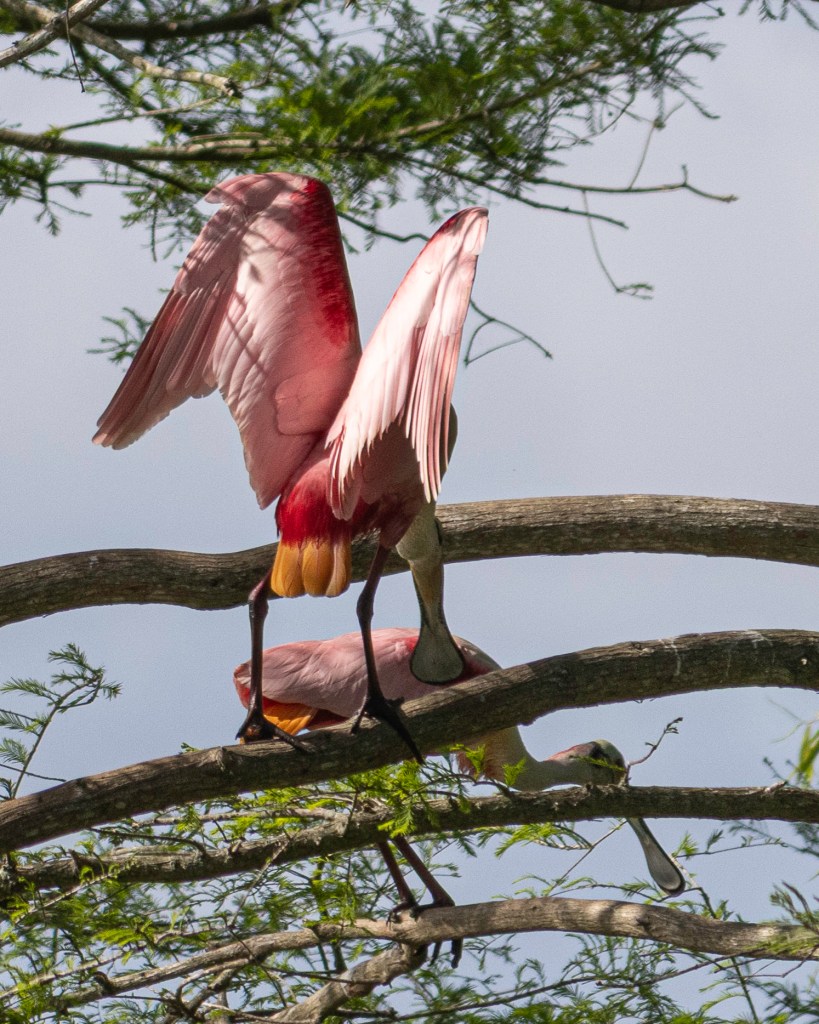
Two roseate spoonbills in a tree. Note that yellow on the front bird’s tail. This is hard to see when the birds are flying or wading in the water. Also noticeable is the flat bill, which is where the name “spoonbill” comes from.
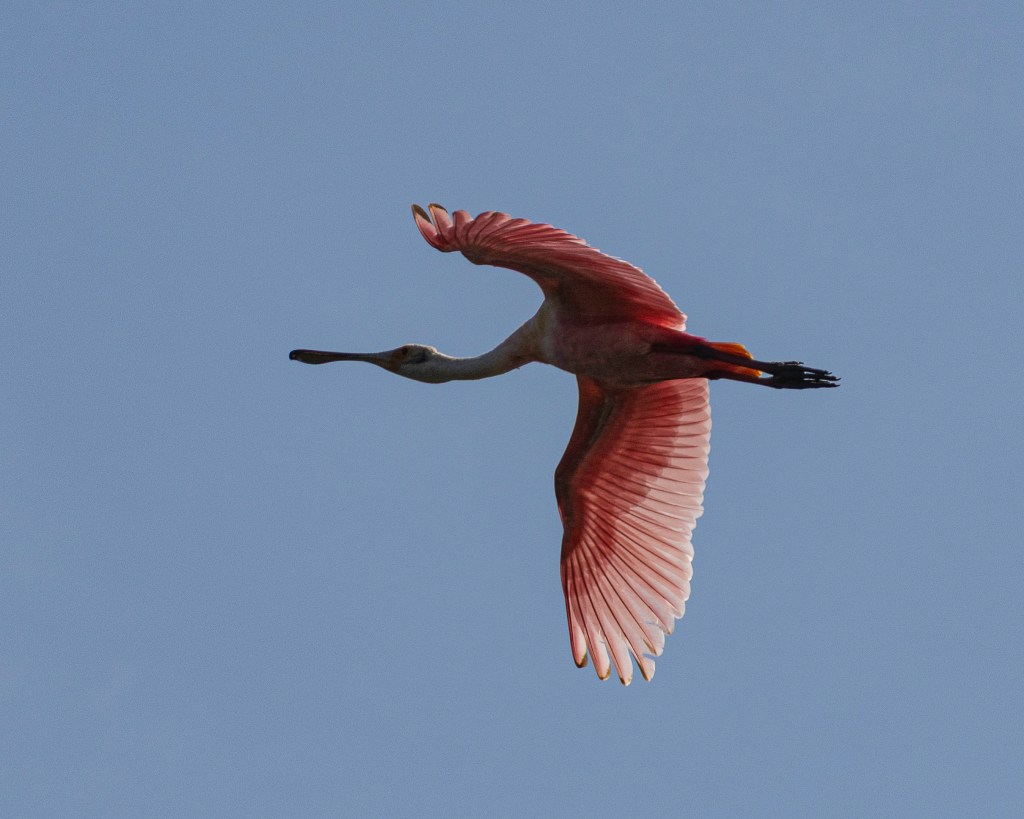
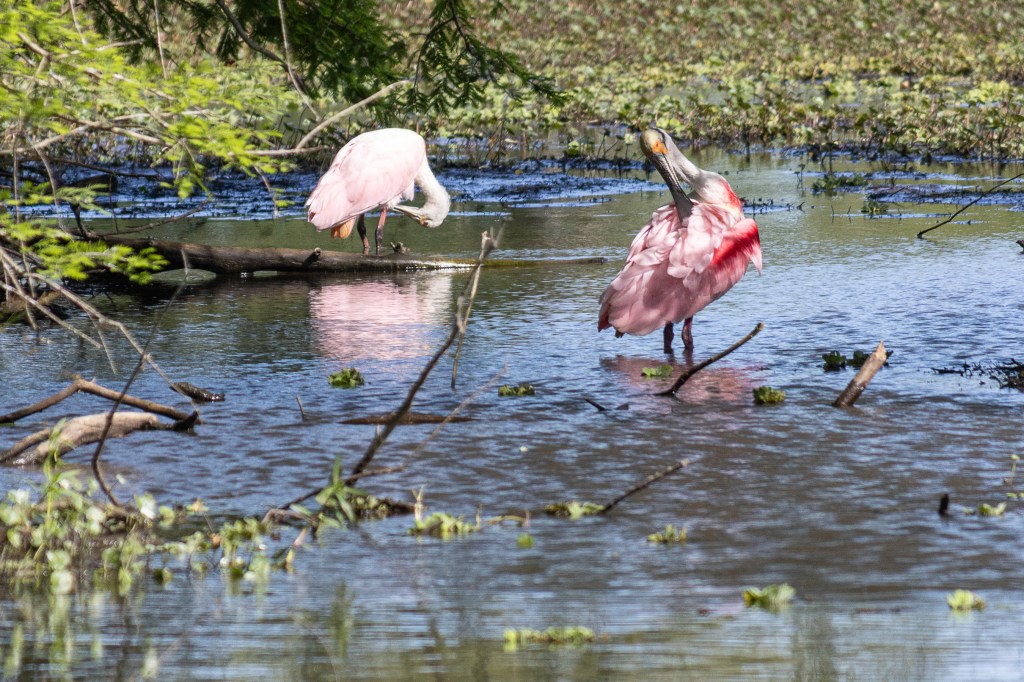
Top, a spoonbill in flight; bottom, two grooming their feathers.
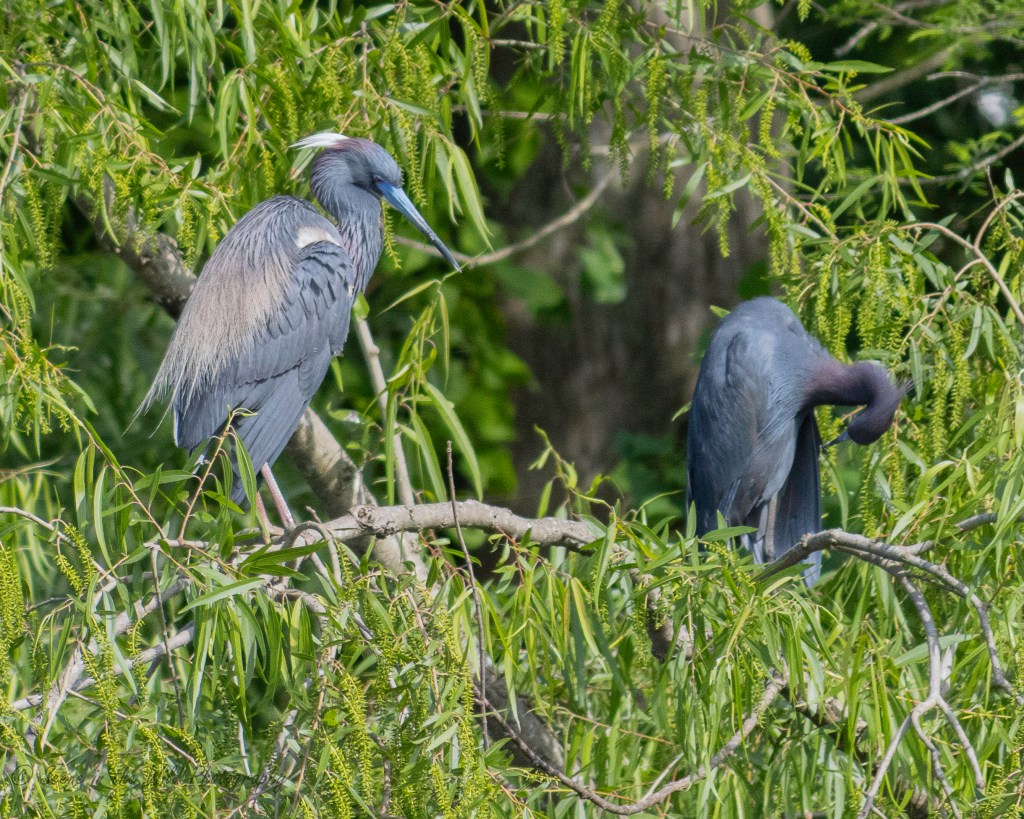
Two herons–a tricolored on the left and little blue on the right.
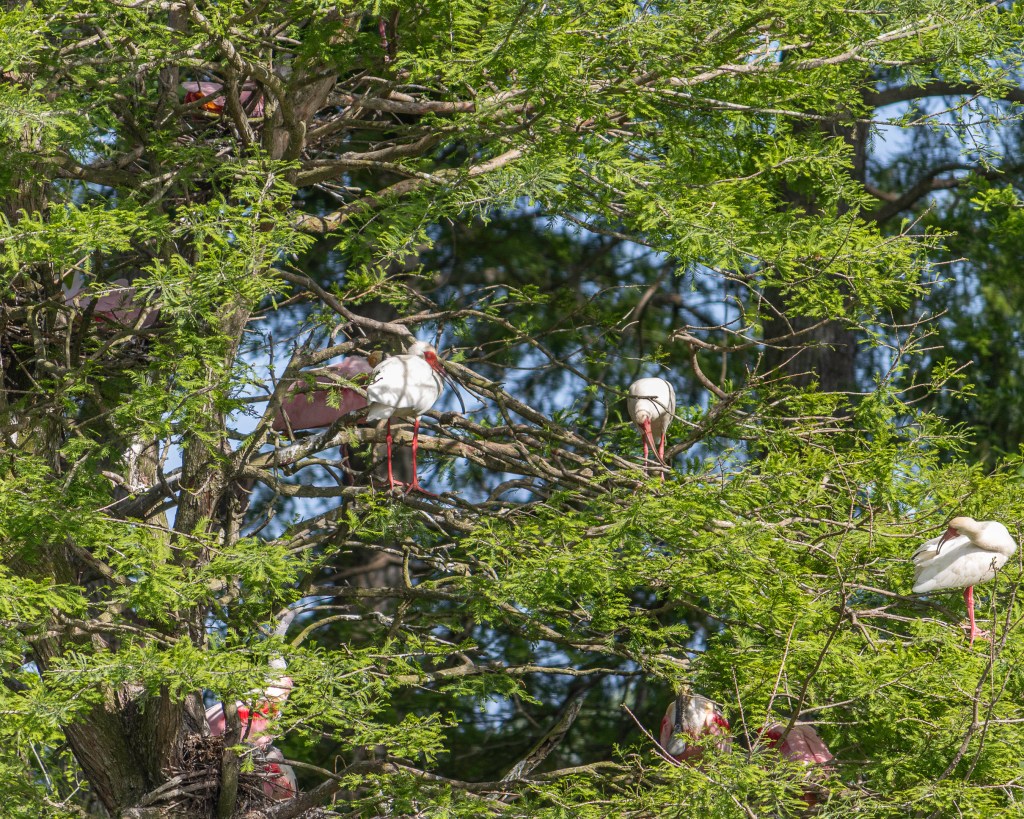
White ibises and spoonbills together, which is not unusual.
Creole Nature Trail April 27
The Creole Nature Trail is a scenic byway that forms a loop south of Lake Charles, LA. We drove partway down the west side on our way to Lafayette on April 23, but were turned back because of rain.
On our return trip, we toured the east side, going to Lacassine Pool atthe Lacassine National Wildlife Refuge and Cameron Prairie National Wildlife Refuge. (We also stopped at Holly Beach on the Gulf of Mexico and picked up some shells, and then took a ferry from Louisiana to Texas).
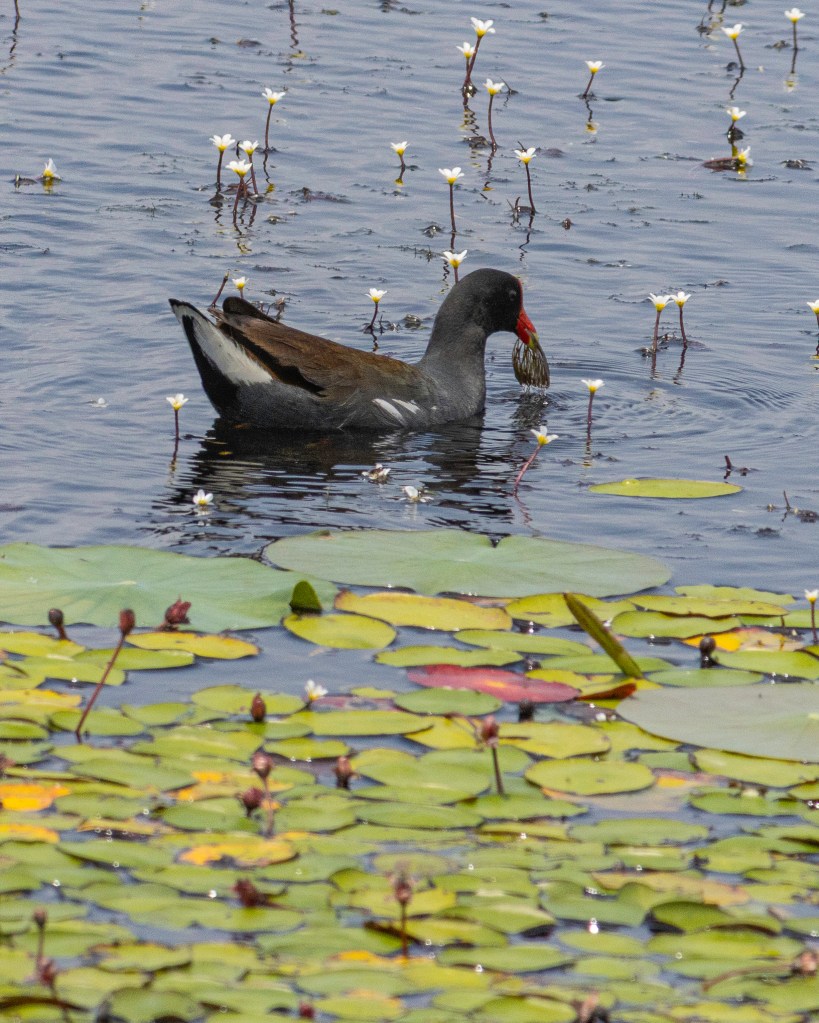
A common gallinule having lunch.
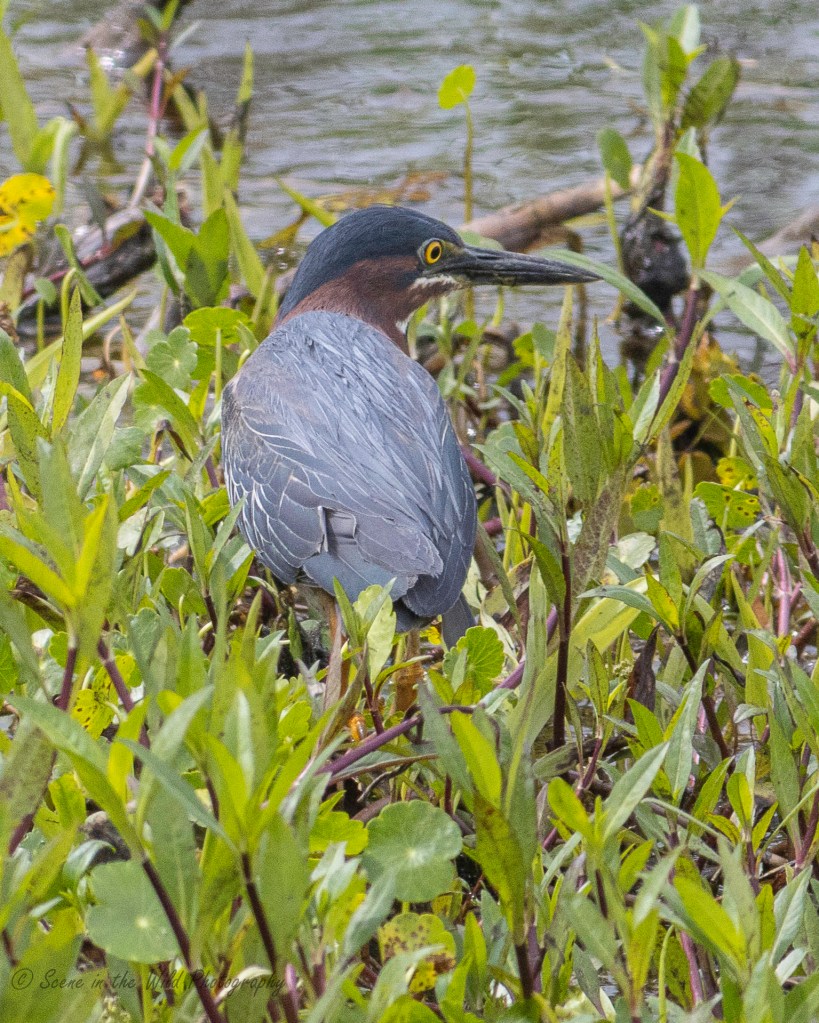
Another heron! This one is a green heron. Notice its neck is much shorter than the other herons.
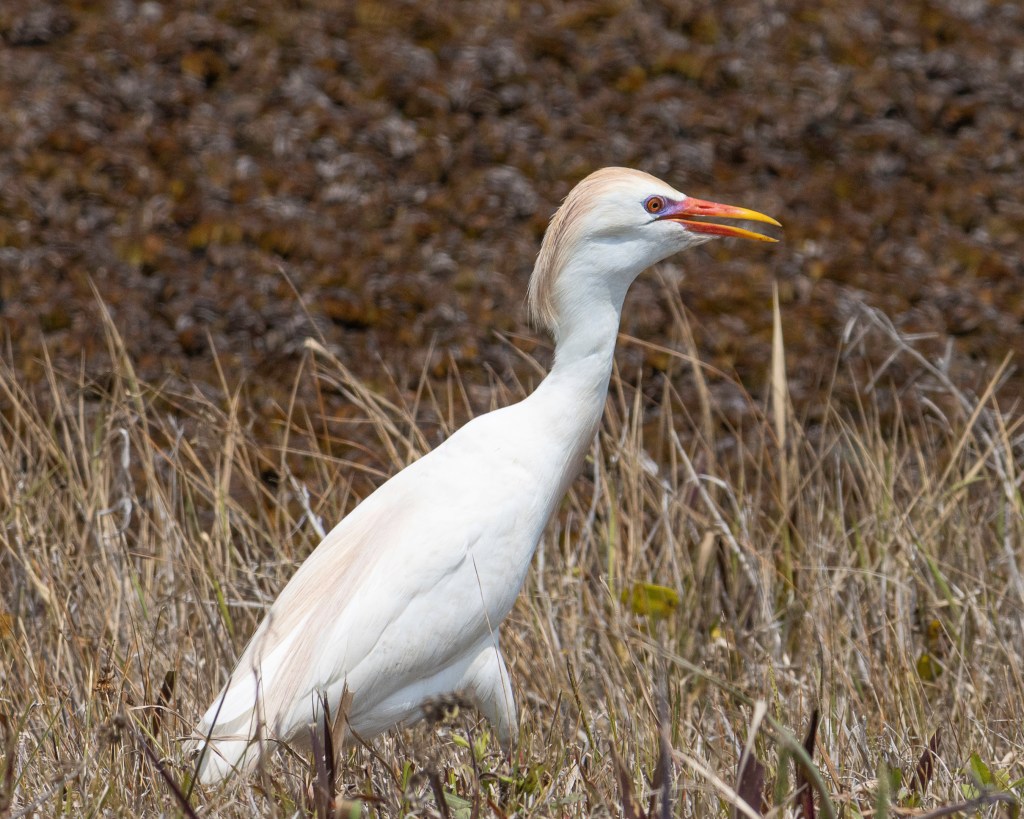
A cattle egret. We’ve seen these in Bent County.
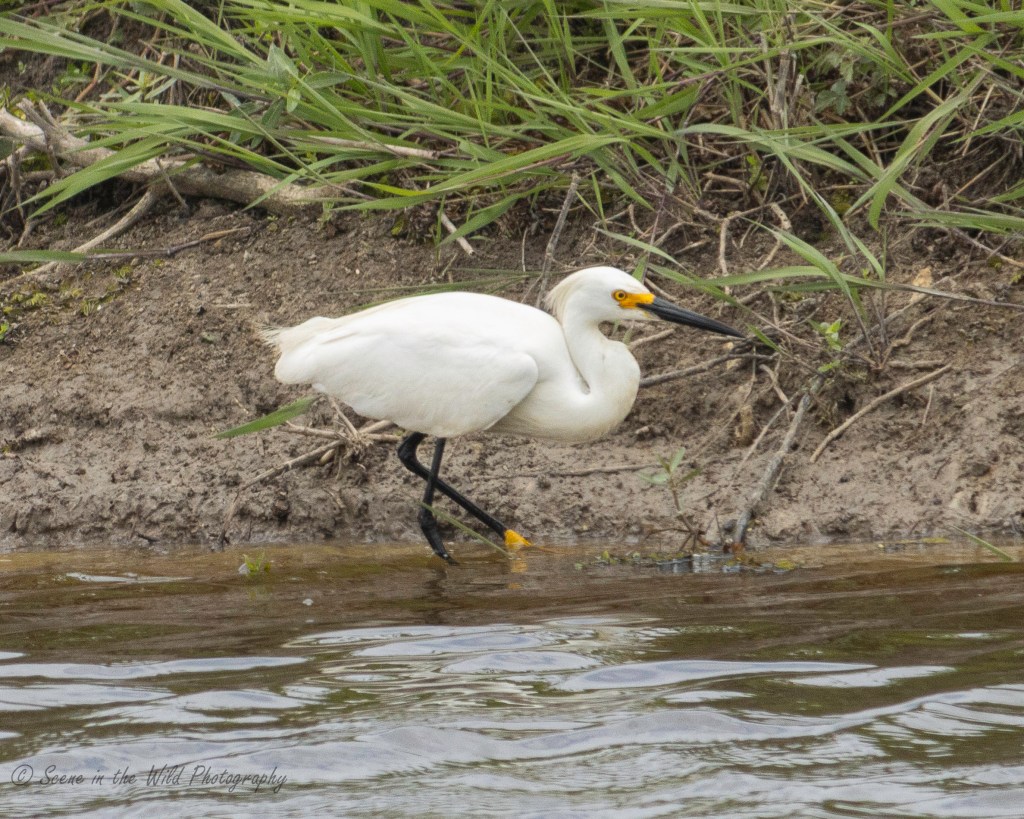
Another small egret. This one is called a snowy. Note its black bill, in contrast to the great egret’s yellow bill. Both have black legs.
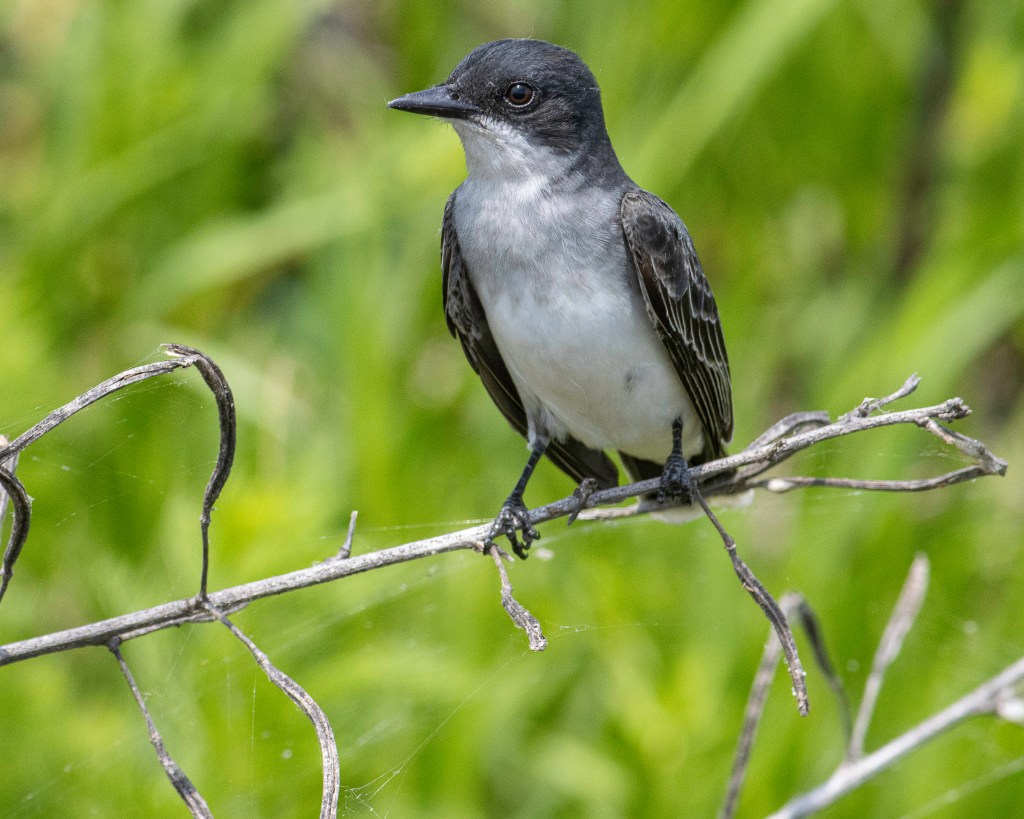
An Eastern kingbird.
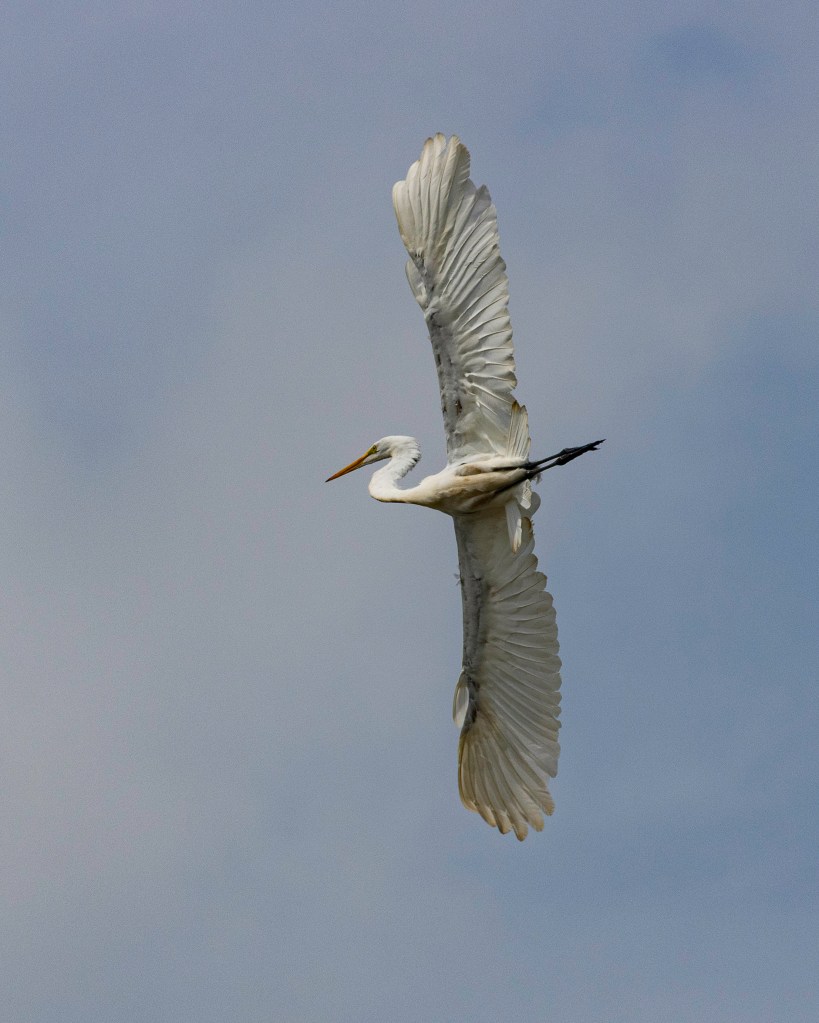
I’m going to end with another photo of that great egret. It’s just so beautiful!
Thank you for visiting my blog. The next one will be about some of the other wildlife we’ve seen on these trips.






Leave a Reply